
Published in the year of Miles Davis' Centenary
R E T H I N K I N G / M i l e s D a v i s
Published by Oxford University Press
Rethinking Miles Davis
The forthcoming publication of Rethinking Miles Davis in the centenary of the birth of this defining figure of jazz.
I have contributed a the cover photograph and a chapter in my role as Visiting Research Fellow in Photographing Popular Music Culture.
The forthcoming publication of Rethinking Miles Davis in the centenary of the birth of this defining figure of jazz.
I have contributed a chapter in my role as Visiting Research Fellow in Photographing Popular Music Culture us in exploring some of the chapters of the book, many written by researchers at Birmingham City University.
Rethinking Miles Davis
[Oxford University Press May 2026]
Edited by
Roger Fagge,
Nicolas Pillai and
Tim Wall
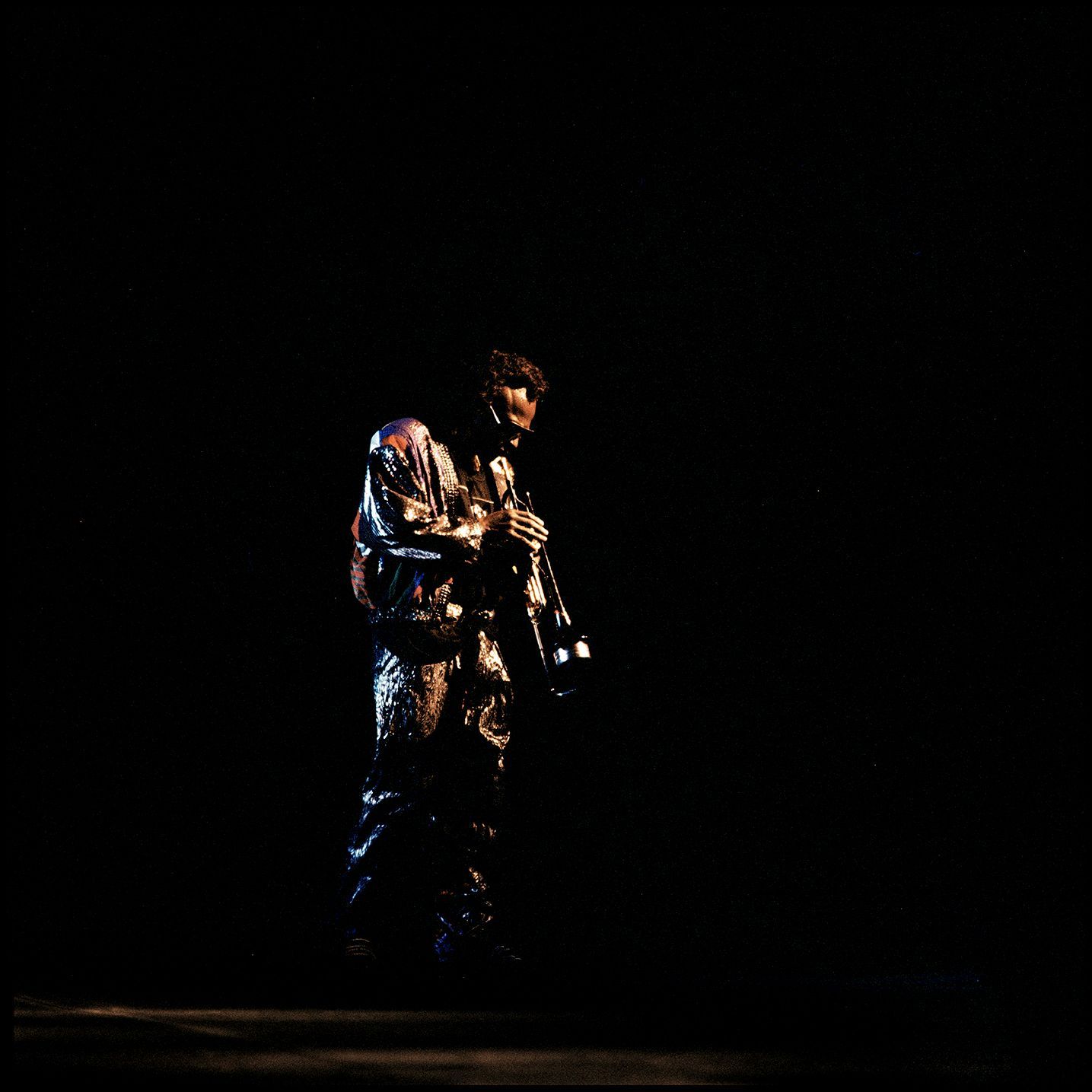
Photo Credit: Miles Davis, Apollo, Manchester, 1989 by
William Ellis @williamellisfoto
The forthcoming publication of Rethinking Miles Davis in the centenary of the birth of this defining figure of jazz. We invite you to join us in exploring some of the chapters of the book, many written by researchers at Birmingham City University.
The book challenges the orthodoxy of jazz criticism, repositioning Miles Davis within a larger framework of modernism and mass culture and exploring: the ways Davis pushed jazz into new genre forms, re-envisioned jazz standards, and collaborated musically, to his role in the record companies that released his music, the persona he developed in video, film, and fashion, and how his masculinity manifested both professionally and personally.
Some of the authors will present their own chapters and there will be an opportunity to discuss the life and music of Miles Davis. Speakers so far confirmed include:
- Introduction – Tim Wall, BCU on behalf of the editors
- Miles Behind: Jazz Studies, Masculinity and #MeToo – Tony Whyton, BCU
- Locating Tutu and Miles on a Second Major – Tim Wall, BCU
- My One LP - by Miles Davis; a photo essay – William Ellis, independent photographer and researcher
My chapter, co-authored with long time collaborator Prof Tim Wall is based and interviews with some leading artists who discuss a
Miles Davis
album which is of particularly significant to them.
This concept was first applied in the One LP Project I rolled out in 2011.
Each image in the gallery below links to an enlarged portrait and interview with the subject.
- Encounter, Surprise, and Acceptance: Revisiting Miles Davis on and off stage in Portugal – Pedro Cravinho, BCU
- It’s never too late: Miles Davis and modernism – Nicholas Gebhardt, BCU
- Orchestrating Miles: Collaboration, Orchestration, and the Black Aesthetic - Bobbie-Jane Gardner, BCU
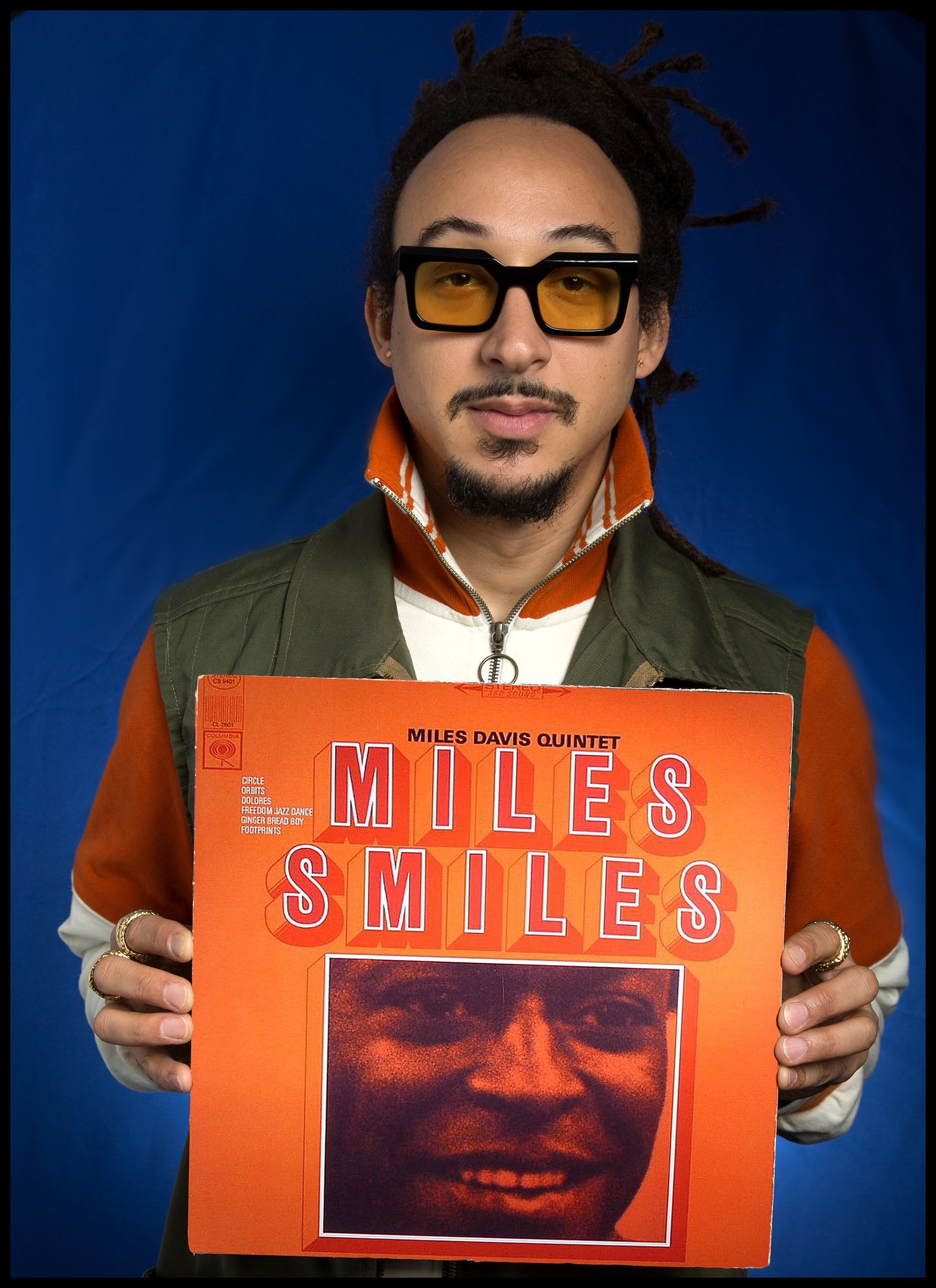
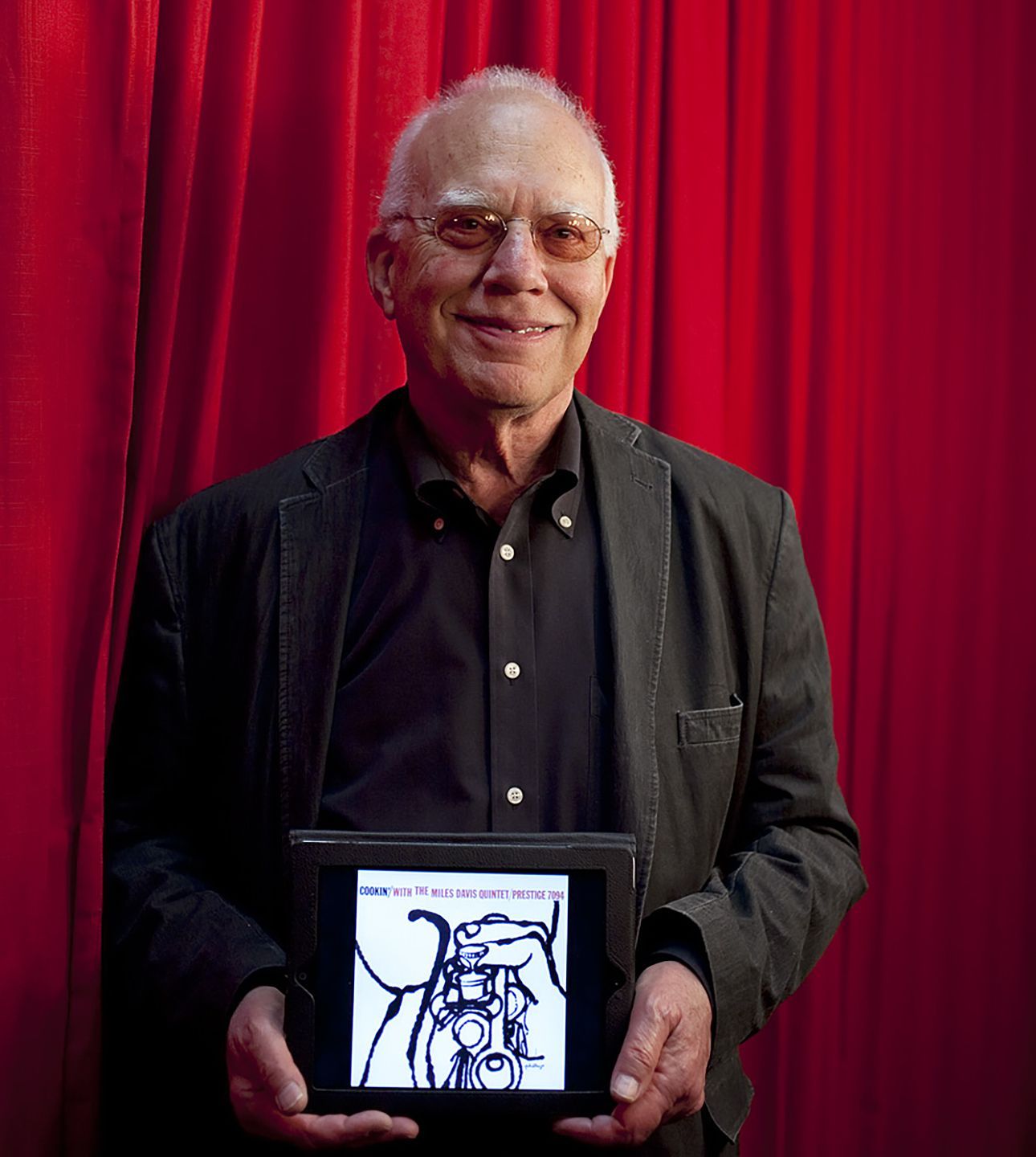
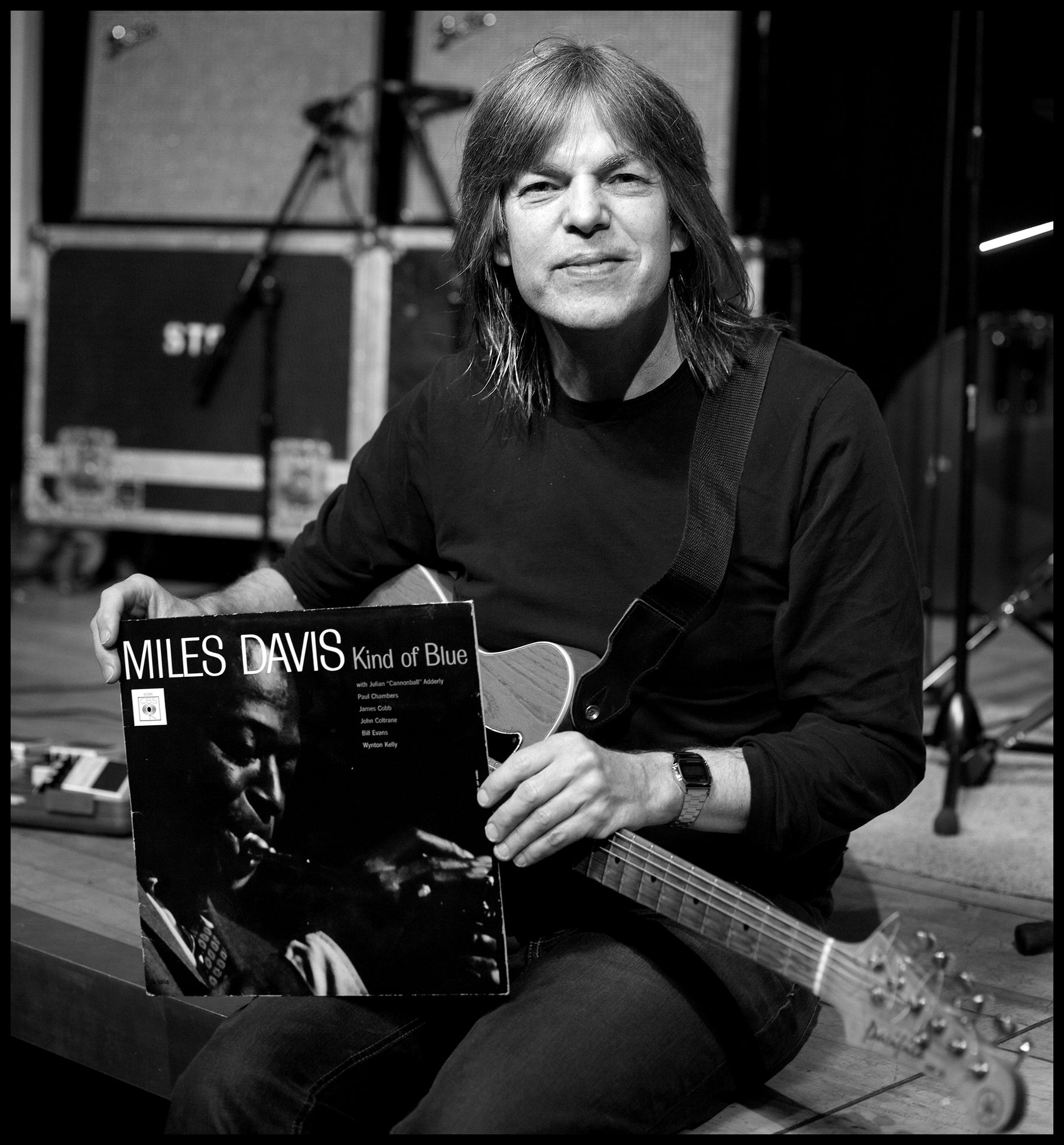
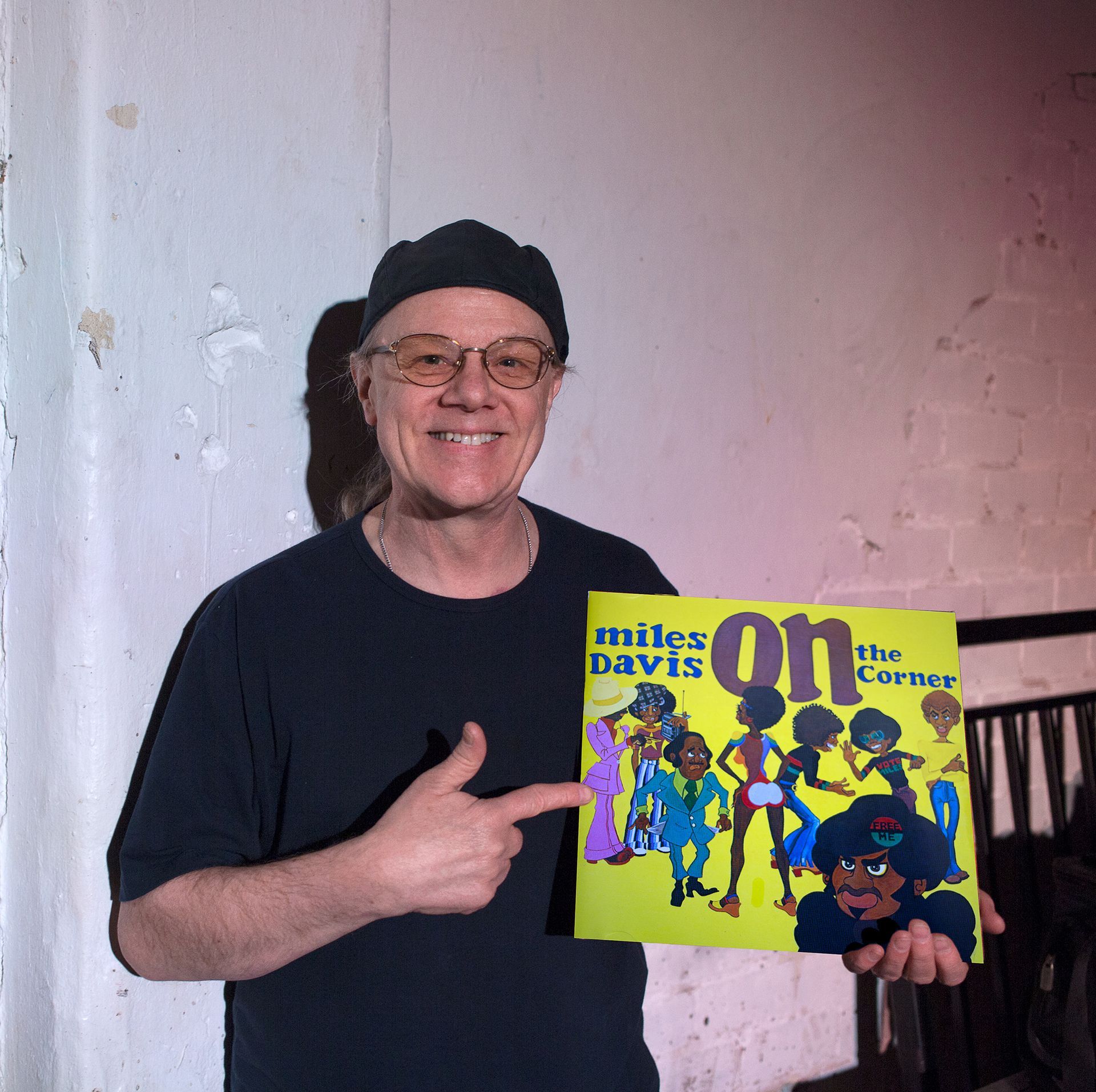
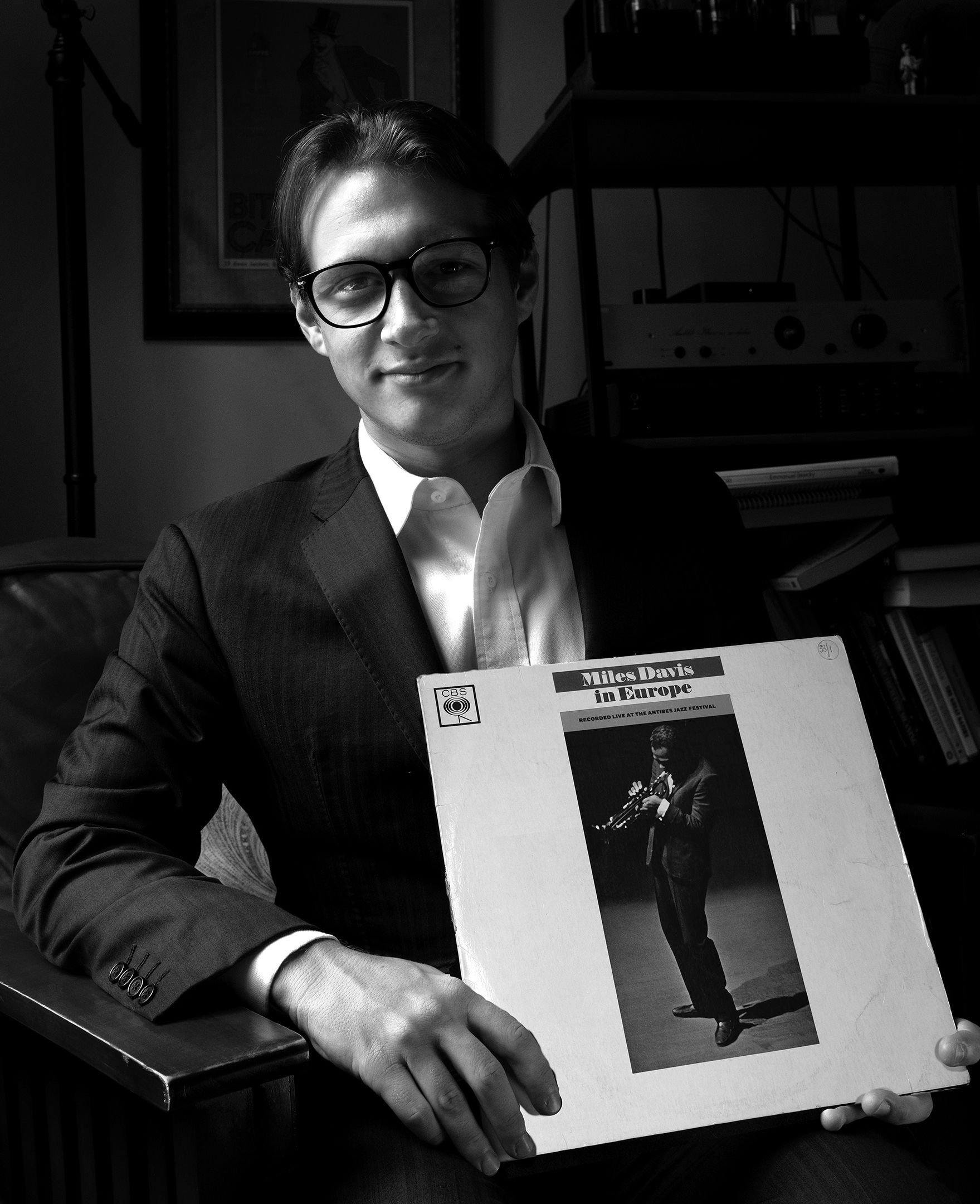
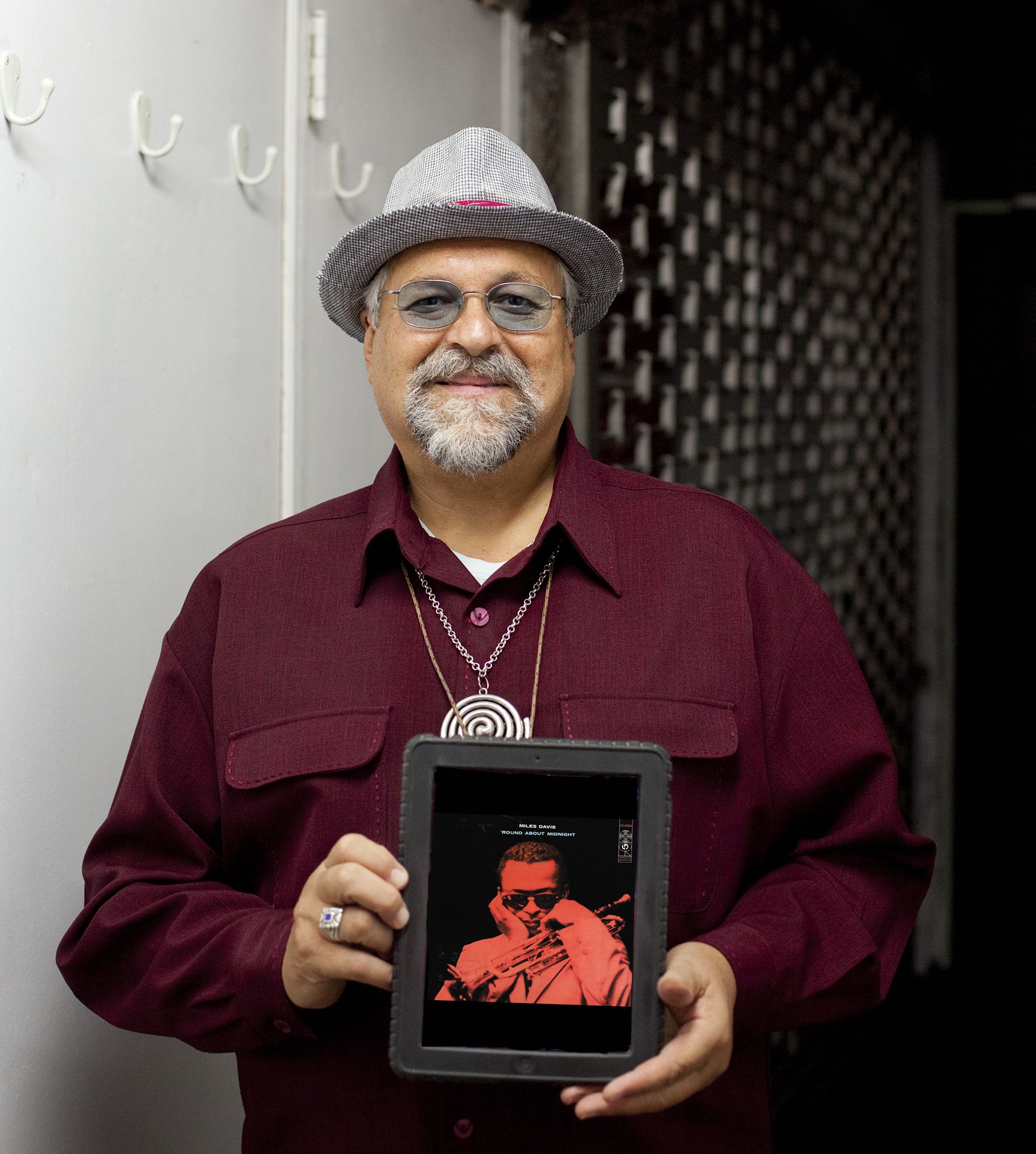
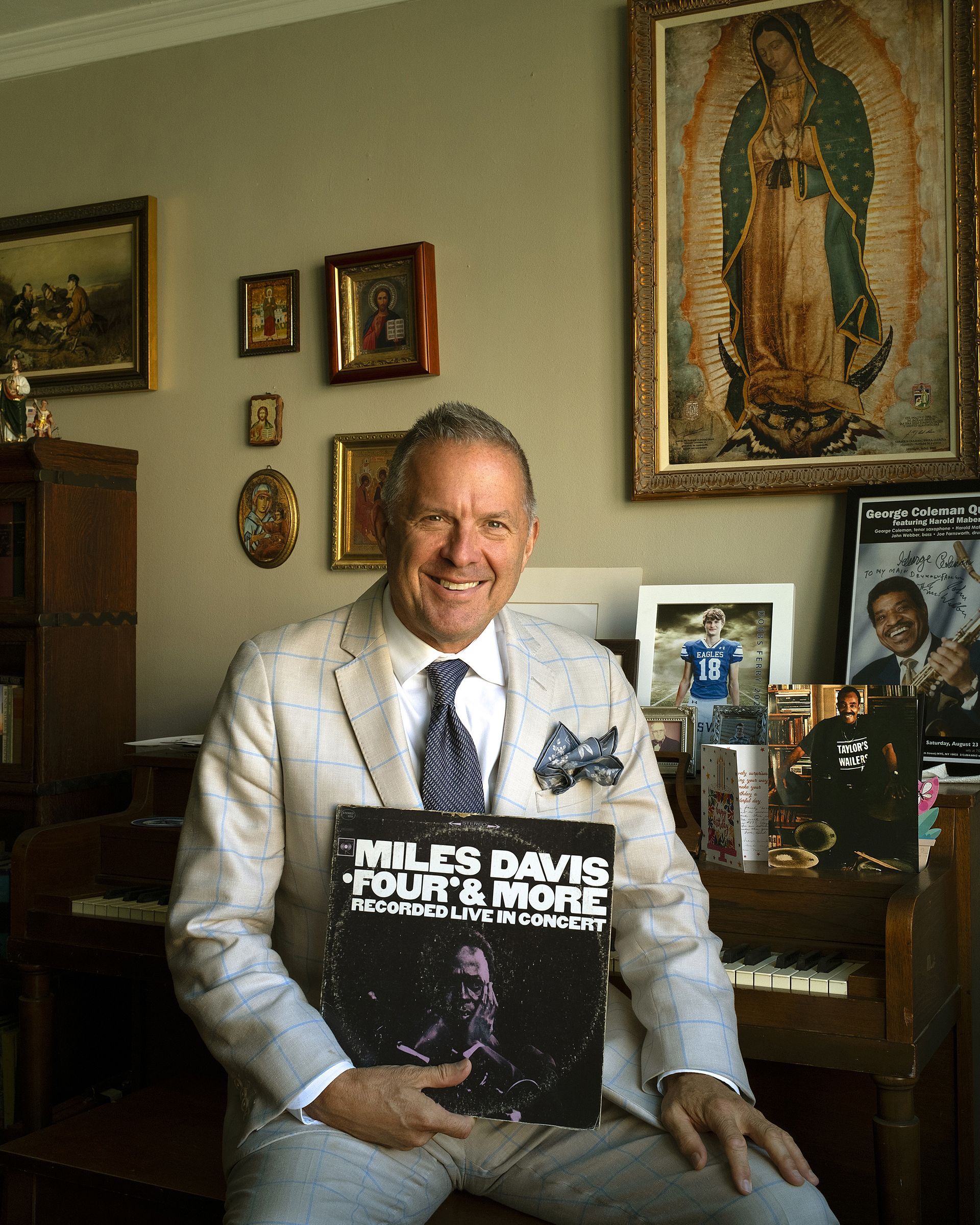
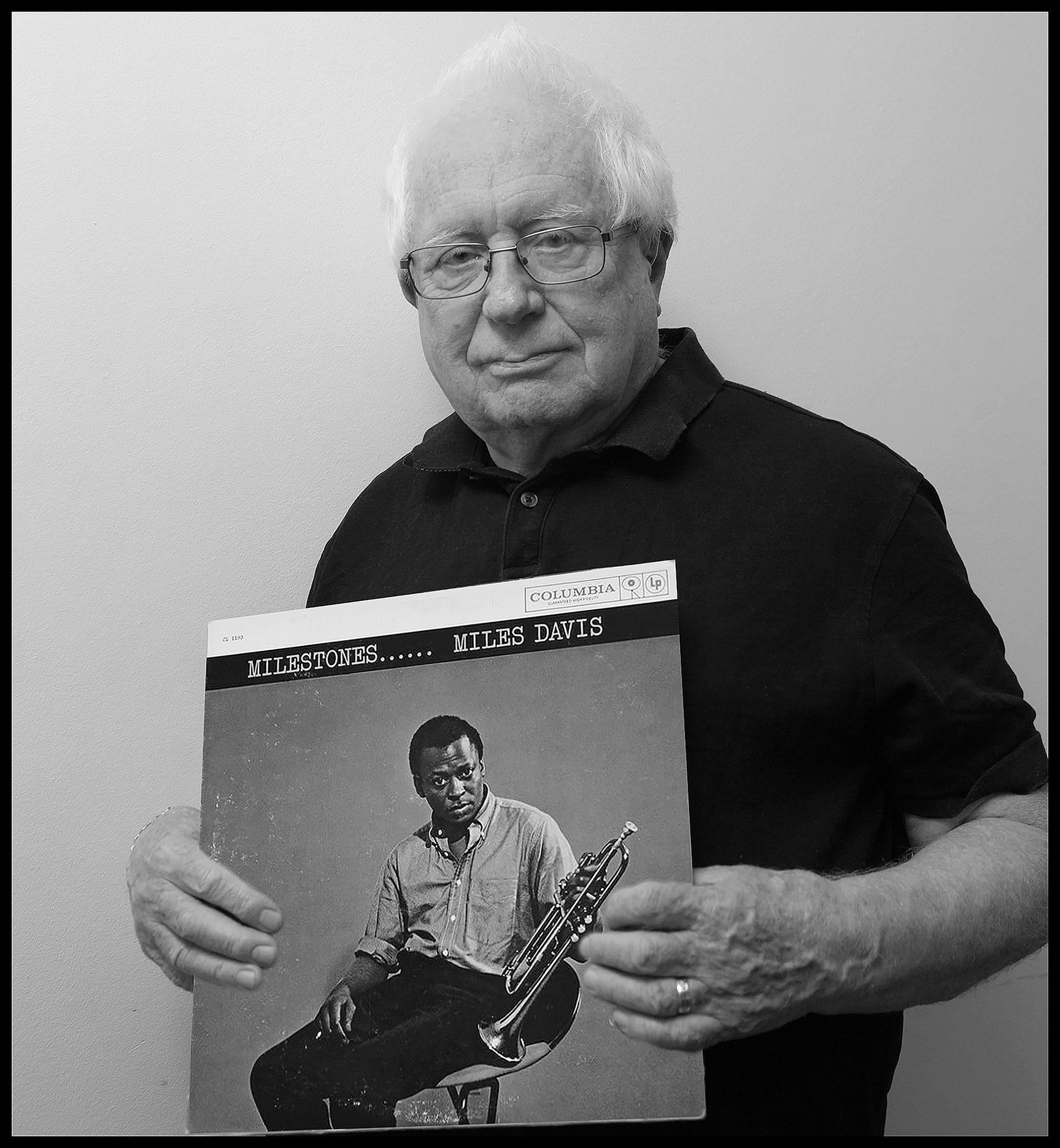
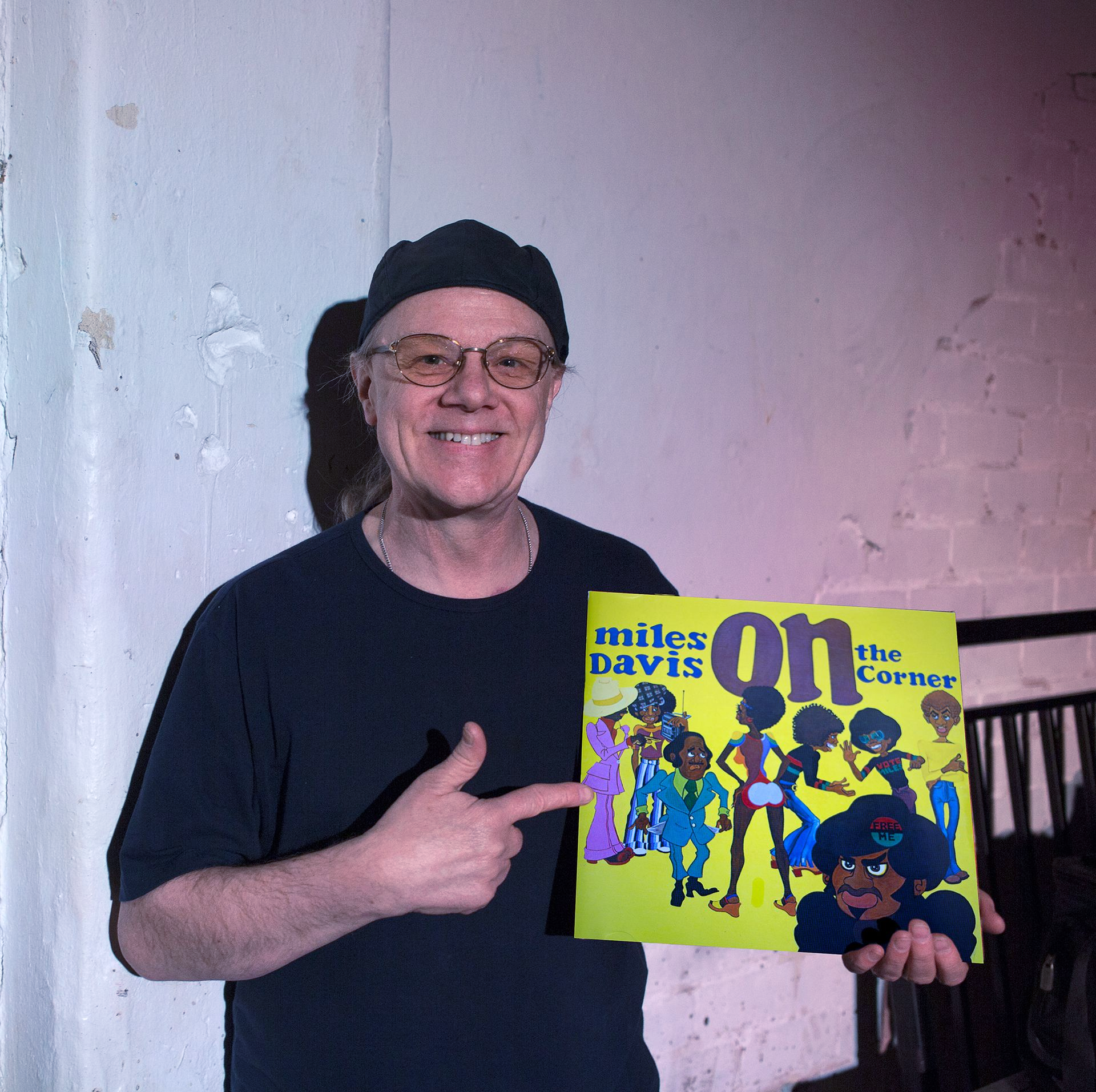
So there's all this music on that album – ‘Gingerbread Boy’, too – there's all this music on that album ‘Orbits’ and ‘Dolores’ and ‘Freedom Jazz Dance’ that they, kind of, only played on the record. So, it really showed how – to me – how adventurous Miles was when he was making records.
He was really reaching for something different every time and not so concerned with making a record that would you know sell like Kind of Blue. It's still selling you know! So I think that's really cool.”
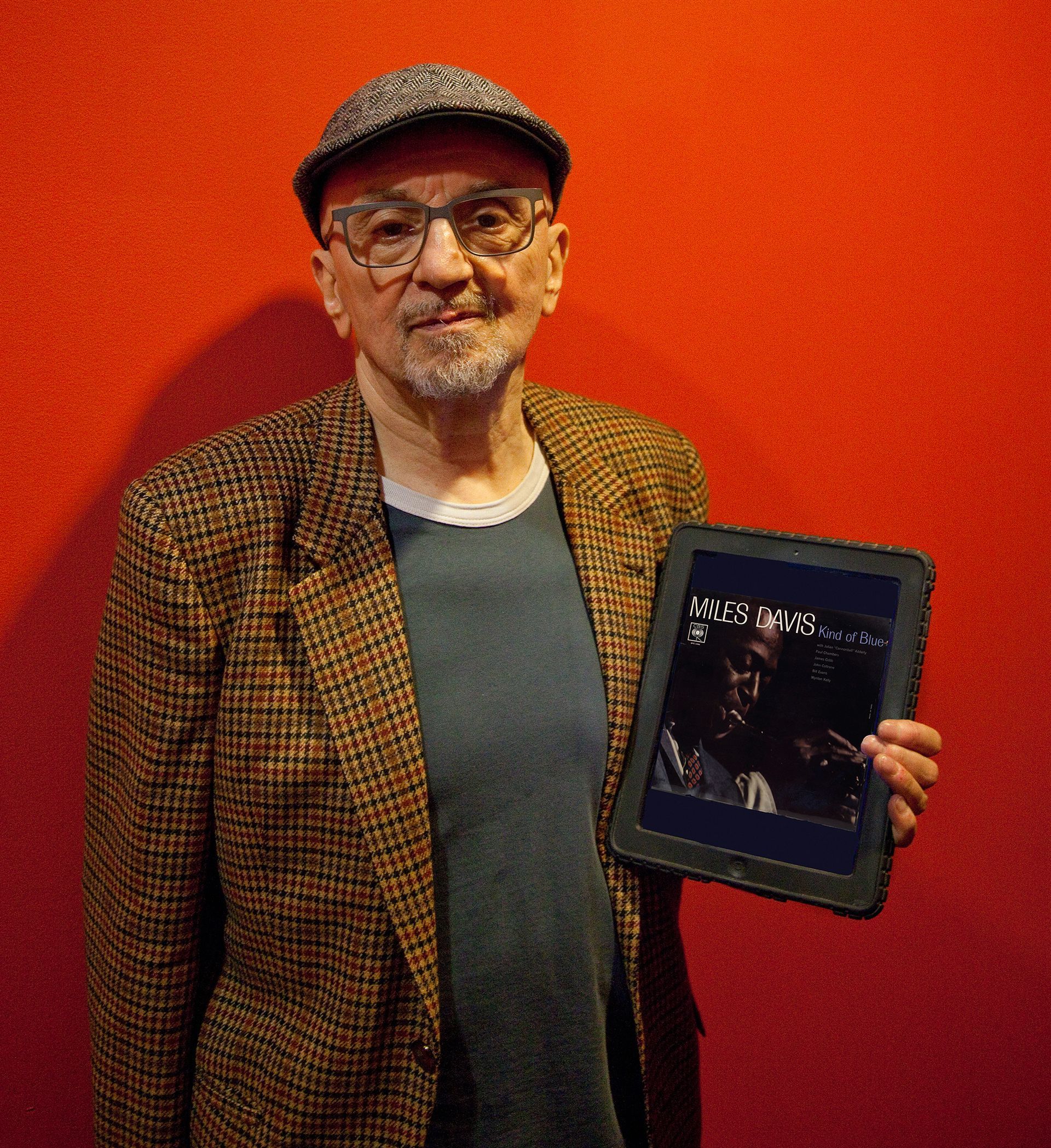
TS “All life for me is Kind of Blue - very simple.
What is most (more) important?
Beautiful sound and Miles - Kind of Blue.”
Described by the New York Times as “one of the most acclaimed improvising musicians in Europe”, Polish trumpeter Tomasz Stanko was born in 1942 and made his debut in Krakow in the late 1950s. In the 1960s he joined Krzysztof Komeda’s quintet, soon becoming its mainstay, and recorded a masterpiece of European jazz with it, the LP Astigmatic.
Miles had some other great bands and he influenced the music quite a bit but this particular quintet captured my heart."
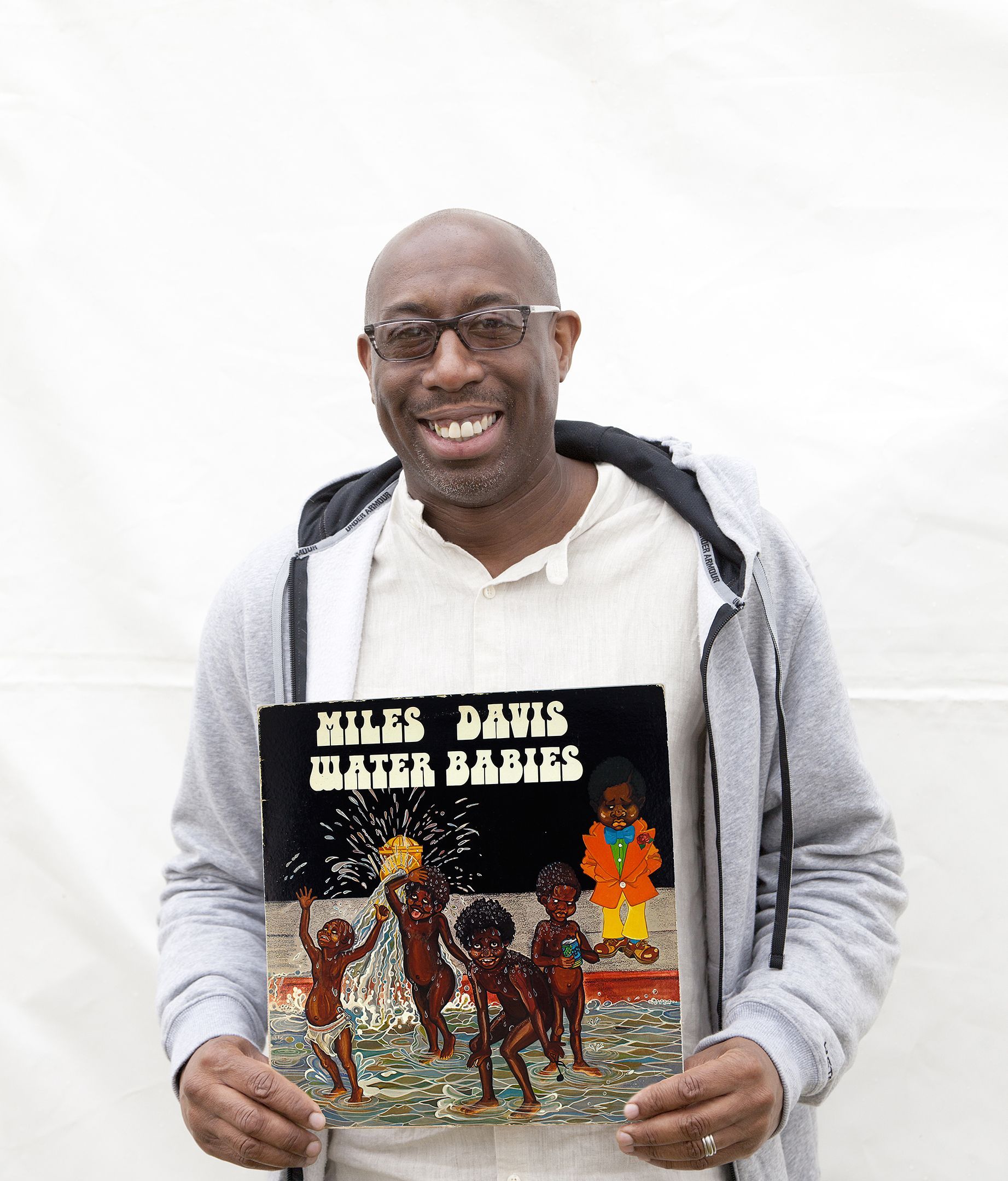
“The album is entitled ‘Water Babies’ by Miles Davis, and the reason that album is special to me is it’s the first album I heard Tony Williams on – yeah – that I sort of hap hazardly discovered in my fathers record collection.
That album just completely blew my mind. Blew my mind cos I didn’t, hadn’t, realised a drummer could be so ... express themselves the way he did. There was lots of imagery in his drumming and that was the first time that I actually heard a drummer playing like that – you know – conceptually playing like that – you know – colours, but time and you know – really using the entire kit as a – you know – all the textures."
W "It was like a landscape almost"
Rod "Yeah – absolutely – absolutely exactly – a landscape of different colours and textures and using the cymbals. But that particular record is definitely one that really changed my whole thinking in terms of drumming and what the possibilities are you know – so, yeah”
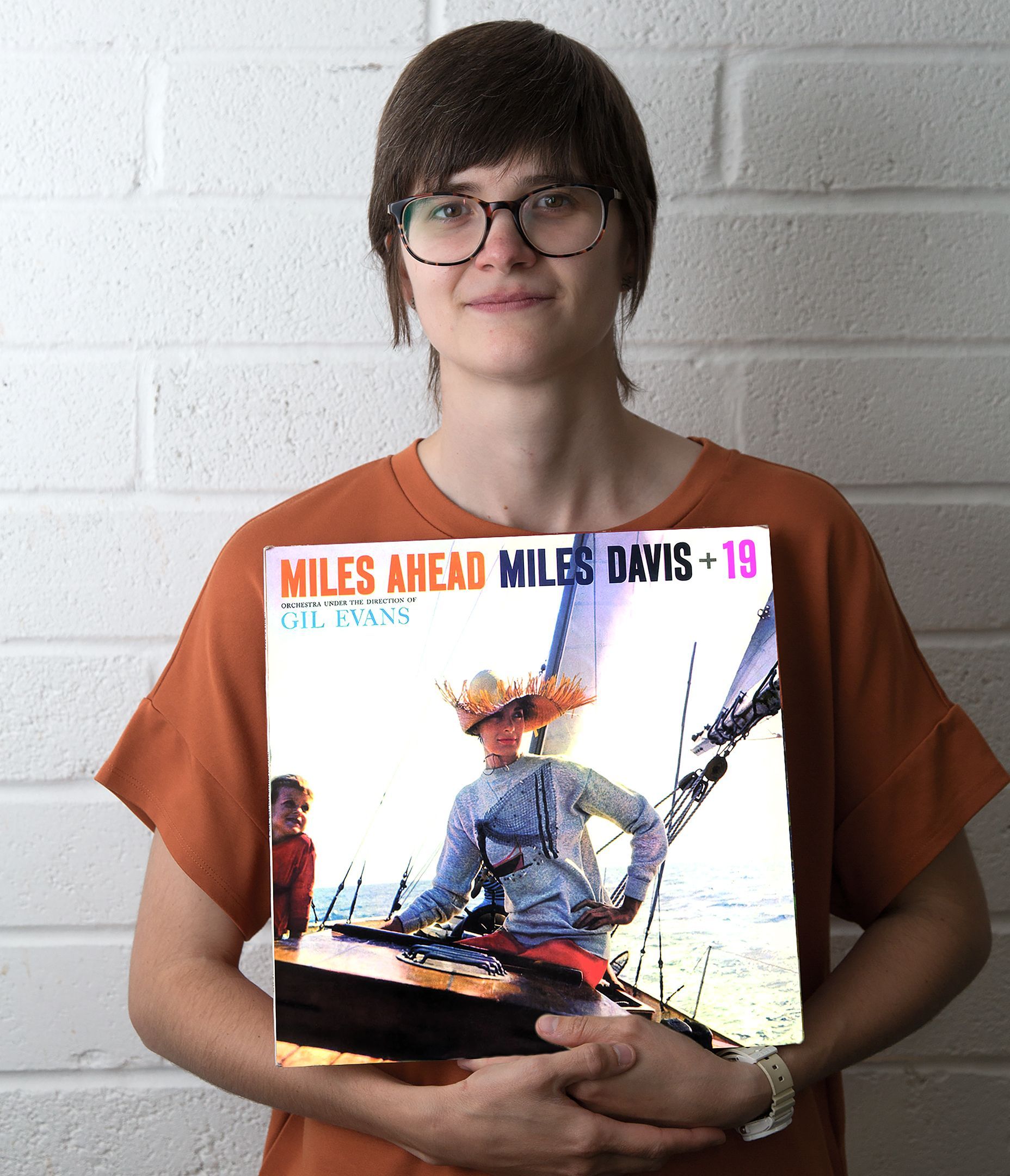
You’ve got this large ensemble environment and Miles is playing a lot of the melody and improvising in between sections and he plays such simple things so amazingly. I think you know it's a two -way thing. Gill Evans has carved these spaces which he knows Miles is going to fill in this magic way.
I actually played this music once which felt very bizarre it's like being inside. It almost feels like you're an intruder; being inside something so familiar you know being inside something that's so familiar. I played the (Miles) part and it felt really mad because I didn’t want to copy. I know all the notes he plays very well, but I didn’t want to do that I wanted to bring something of myself to it but also it’s important to bring the essence of him somehow.
So much about how he plays on that is very inspiring to me, like how to fit into the context in a really complimentary exciting way.”
Laura Jurd was born in Medstead, Hampshire, England in 1990, emerging as a prestigious prize-winning young British trumpet player in her twenties.
But I really love how the combination of soulfulness and intelligence that these guys played with - 'Trane and Red Garland, Paul Chambers, Philly Joe, Cannonball and Miles - just an unbelievable group and this record is just - Philly Joe - Paul Chambers - they're just killin’ on this record."
Marcus Miller was born in New York City, USA in 1959 establishing himself as a multi-instrumentalist, composer and record producer. He played bass with Miles Davis from to and was the primary composer and producer Davis’ Tutu (1986), Music from Siesta (1987), and Amandla (1989) albums.
"Kind of Blue has obviously captured a lot of people hearts, it's a huge success in terms of getting out there and people hearing the music - and for good reason. It just has an amazing an balance of a lot of space and a lot information too. Man - 'Trane and Cannonball play their asses off on it!
And of course Bill Evans and Wynton Kelly are both on the record - and Jimmy Cobb - I love getting the chance to play with him - and actually this whole band - this particular band (Four Generations of Miles - with whom Mike was performing that night) with Sonny Fortune and Buster Williams – who are phenomenal musicians and really great people too. And of course Jimmy..Buster was telling me when Paul Chambers died he was called to play in the Wynton Kelly Trio with Jimmy, and then when Kelly died three months later....
I hear a lot of stories now with this band - there's a whole bunch of history these cats run down.
But this record just really knocked me out, it's really hard to pick your favourite record - there a million of 'em, and I don't really have a favourite but this is certainly one of the greatest records ever I think and for obvious reasons.
And Miles of course just played his heart out all the time - he just played from the heart and everybody on that record did.
So they gave amazing performances, amazing amazing beautiful record."
Mike Stern was born in Boston, Massachusetts, USA in 1953, establishing himself as a major jazz guitarist of the fusion era. Mike played with Miles Davis from 1981 to 1983 and then again in 1985.
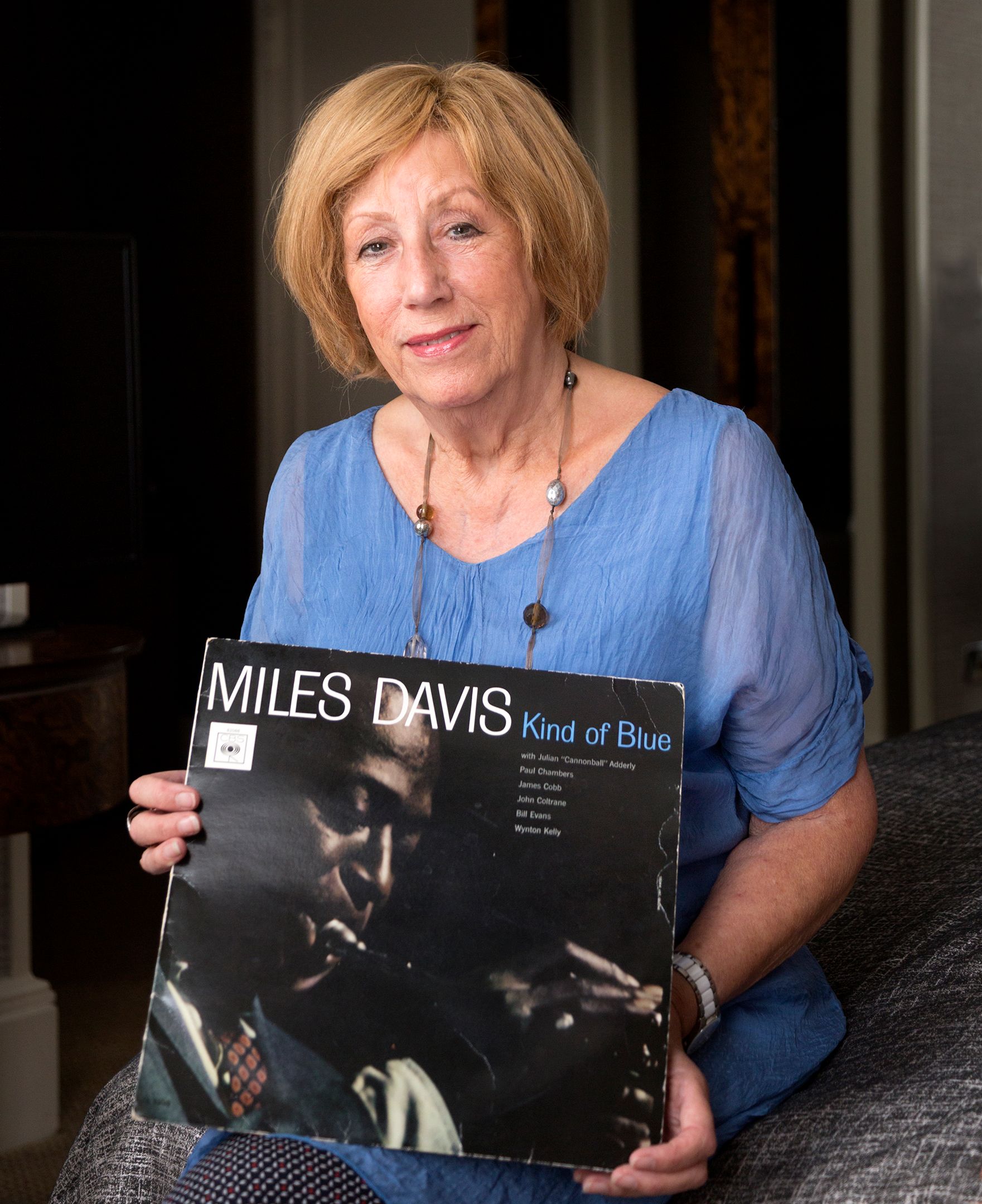
But, I think I joined a club, and we saved up so much a week and then this guy would come round and he'd say 'Well this album’s new ... and this one’s new ... and I can order it for you', and he said 'there's a new one by Miles Davis, John Coltrane Kind of Blue and I thought 'Oh have to have that!'".
Norma Winstone was born in London, England in 1941 and became one of Britain’s leading jazz singers contributing to a body of innovative European jazz.
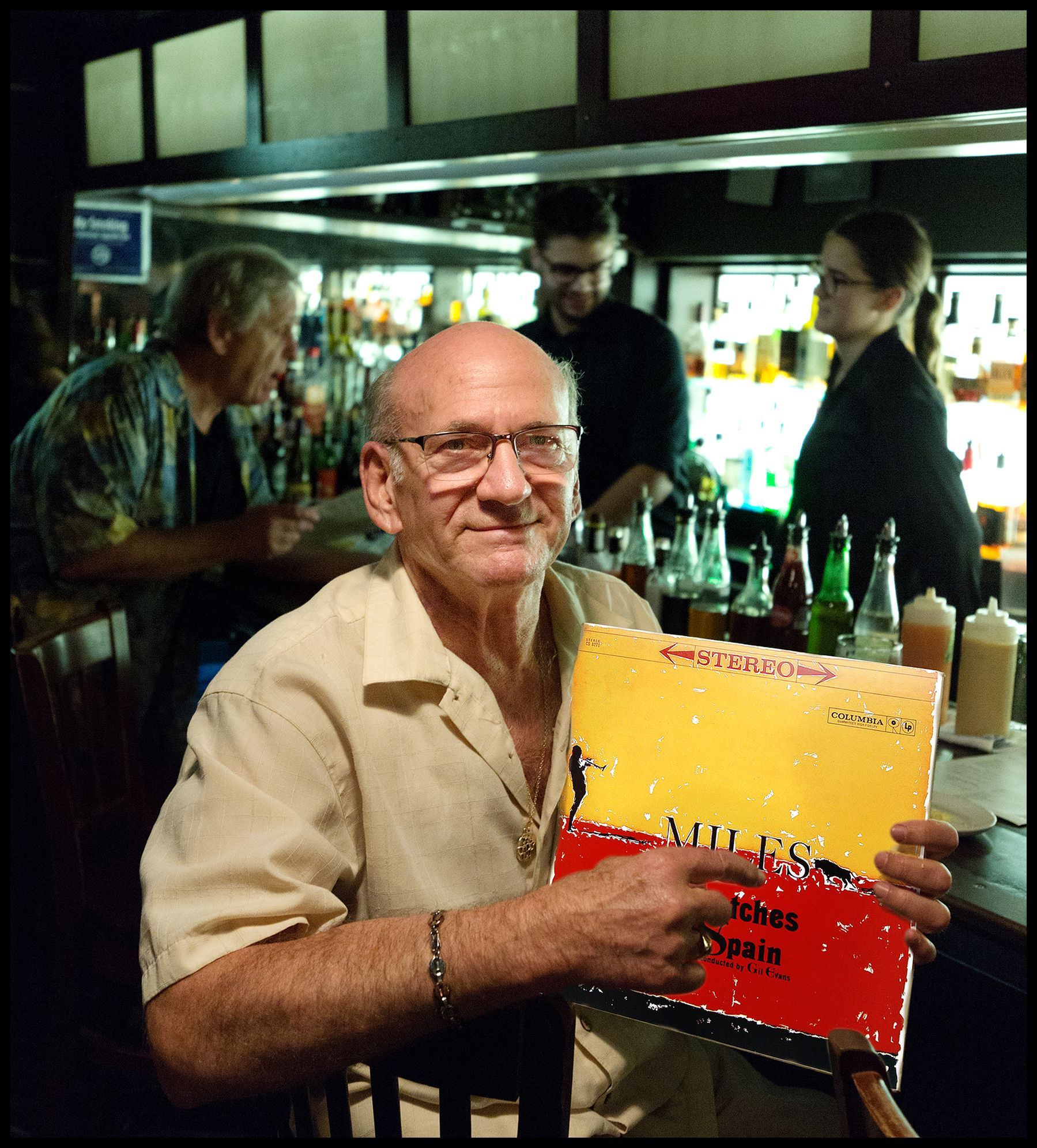
The treatment that Spain received from Franco is awful. So we can tell the story in that album and then tell whatever Miles did
Miles got into it himself - he said 'it sounds as if like I'm Spanish' you know. He's into it, he’s really into it.
I told Judith that people are gonna think that those lyrics* wrote themselves - cos they come from nowhere, but they cover a whole lot.
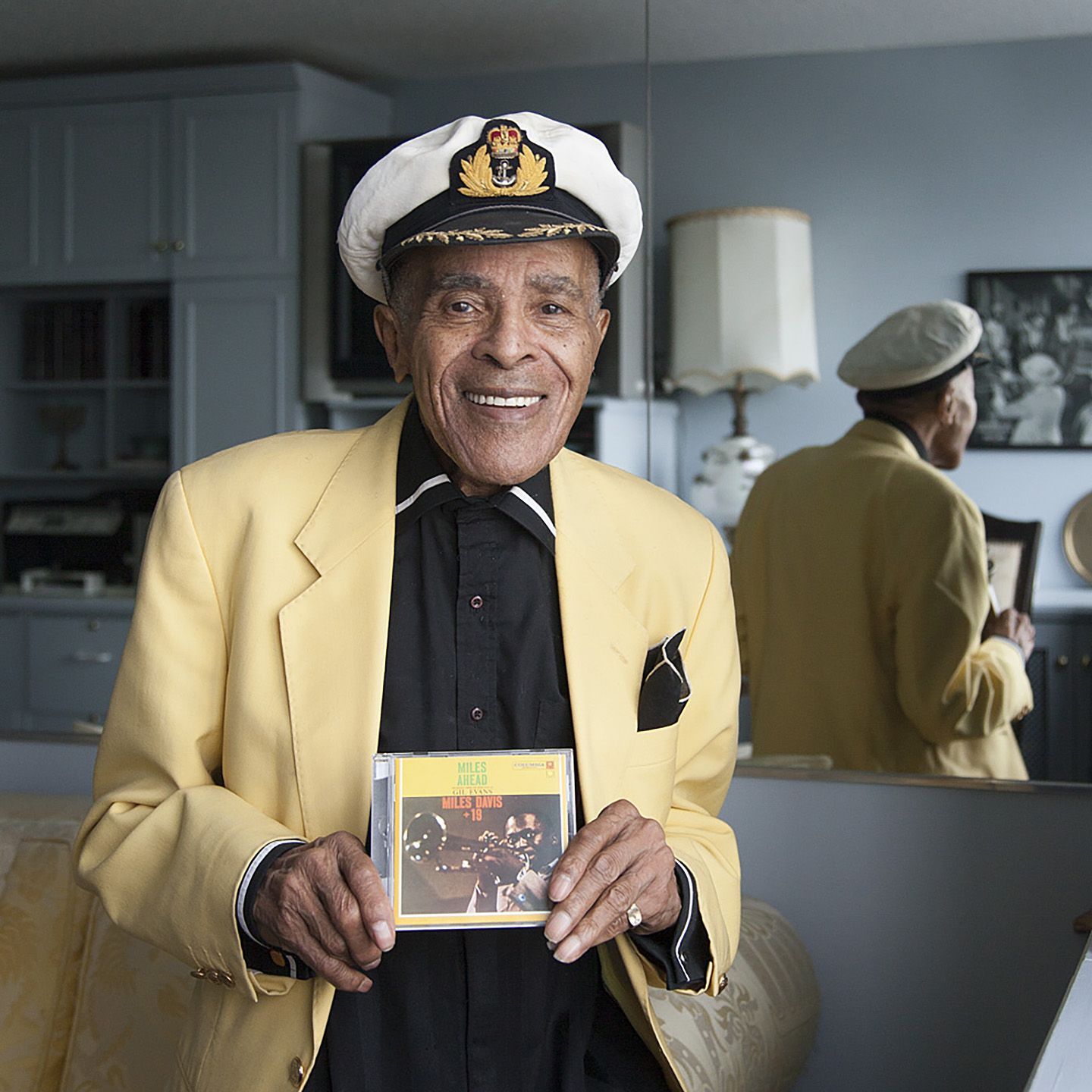
WE - "Your current project with Pete Churchill based on Miles Ahead - so that record has inspired you both to discover and create your own response to the album?"
Jon - I like those things that open.
Jon starts to sing, laughs and says - “Now after that you gotta have somethin’! You and me are gonna work! Soon as I find out how to write!!”
Judith enters the room. Jon “What you got?” Judith - “I have some albums – the Miles Ahead, Freddie Freeloader, Evolution of the Blues Song, Thelonious Monk, the first Hendricks, Lambert and Ross, another Miles Davis Porgy and Bess then I have Basie from ’41 to ’51.”
WE - “The cover (of Miles Ahead) matches your jacket Jon!!”
Judith – “Yes the colours are right!”
Jon laughs – “Oh man!”
After the photographs were taken Jon spoke warmly about two of his close friends Kurt Elling and Erroll Garner.
How Kurt seized a great opportunity at one of Jon's vocal workshops when Jon asked for a volunteer to come onto the rehearsal room stage. Kurt sprang up and their friendship began.
Jon thought about 'His brother' - Erroll Garner.
“When Erroll Garner came back home from tour he would call me up to sing. When we met we'd embrace and say "I love you man."
Concert by the Sea is a great favourite of Jon's, he asked his wife Judith to play the recording - he was moved to mime Erroll playing an invisible piano, his heart was with his great friend.
On the wall hangs the powerful poetic picture of another old friend. John Coltrane playing soprano sax signed by one of my favourite photographers - the peerless Roy DeCarava.
It's a masterpiece in a moment.
And this is kind of a seminal album for me because it was gifted to me, I think, by my grandma during Christmas when I was about, I want to say, 13 or 14.
I had been playing music you know, just casually as an amateur around the house, rock and roll, funk, stuff like that, but I had never really been introduced to jazz.
And I remember that when I first heard that record, the feeling of it really, you know, captured me instantly.
And just the kind of symbiosis of the musicians and how they played together and the space they used really just caught my ear.
I didn't know what they were doing harmonically or rhythmically or anything like that and it was worlds above me but I could just remember the way it made me feel and I'll never forget that - I was hooked instantly.”
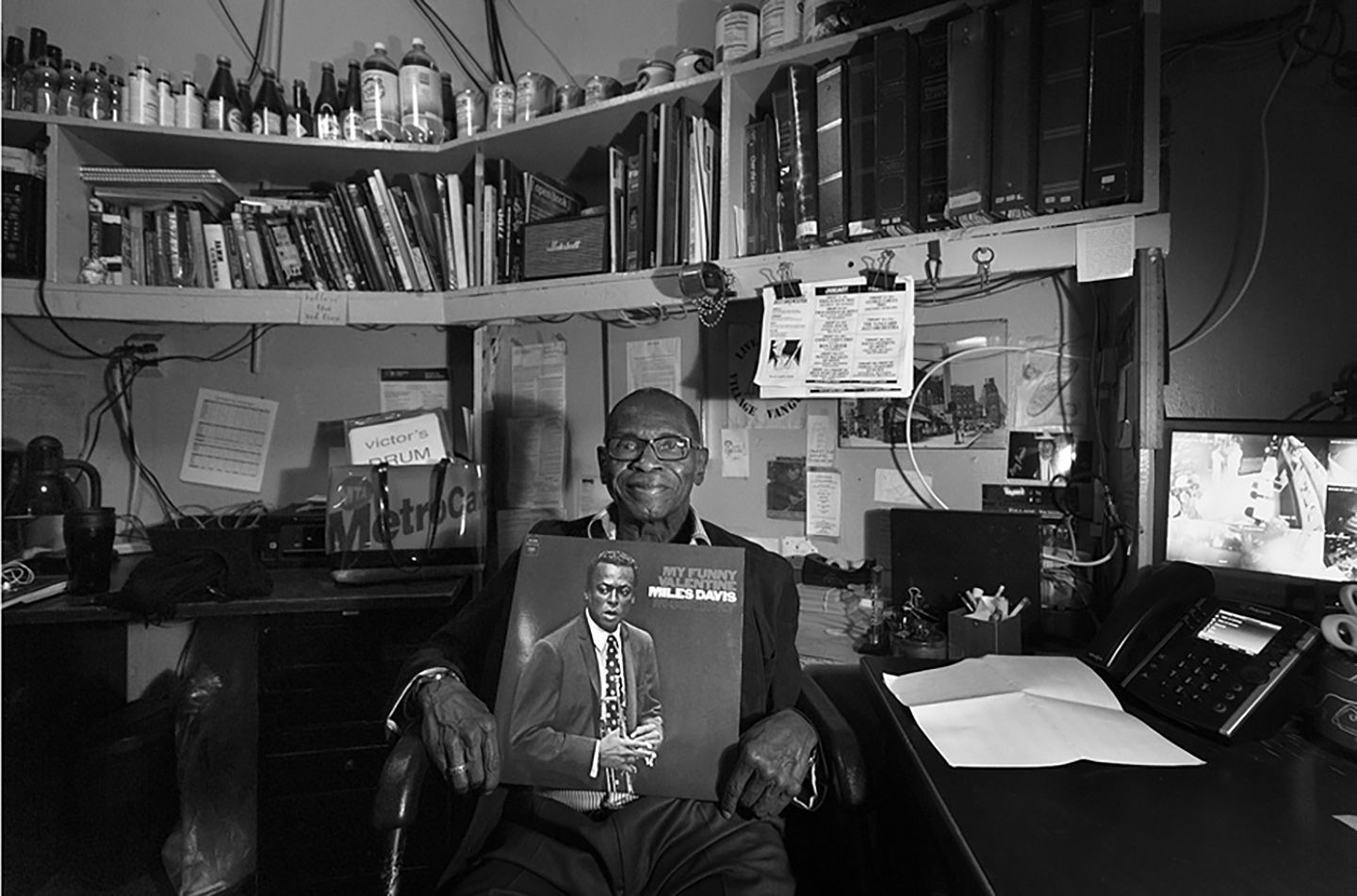
Portrait taken at home Greenwich Village, New York City, 12th October 2025
“Well, I would have to say Miles Davis ‘Round About Midnight’.
I grew up listening to this recording as a kid and the poetic expression - the ensemble playing between John Coltrane and Miles Davis, Red Garland, Paul Chambers and Philly Joe Jones just captured my attention from an early age. And of course their solos within each tune were just so masterful you know.
Portrait taken at Birdland, New York City, 21st September 2014
“Well, I would have to say Miles Davis ‘Round About Midnight’.
I grew up listening to this recording as a kid and the poetic expression - the ensemble playing between John Coltrane and Miles Davis, Red Garland, Paul Chambers and Philly Joe Jones just captured my attention from an early age. And of course their solos within each tune were just so masterful you know.
But yet, as a quintet, there was a real ensemble sound that gave me a lot of direction through the years.”
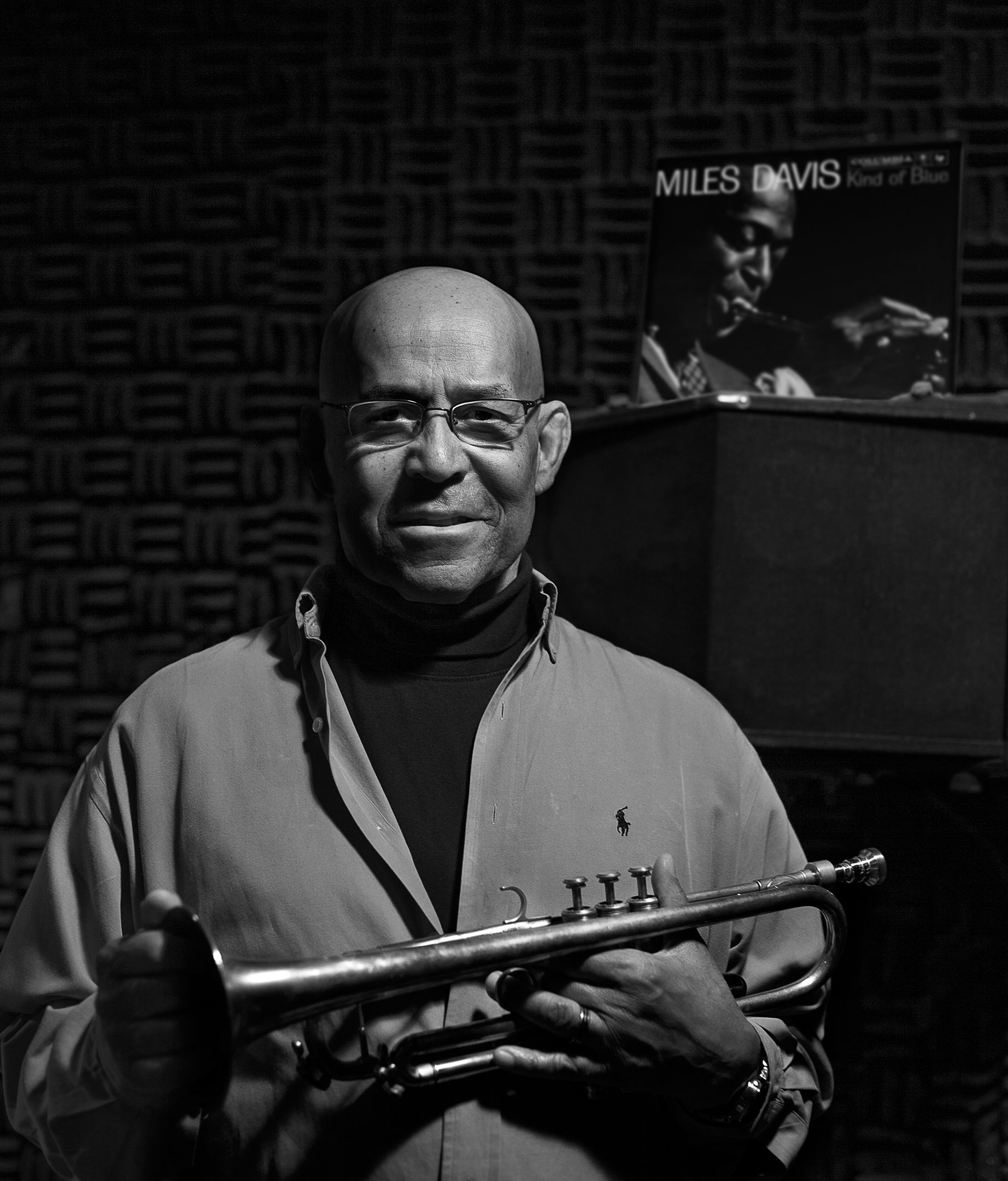
Joe Lovano:
E D D I E H E N D E R S O N
O n e L P - Kind of Blue (1959)
Photographed at Universal Rehearsal Studios, New York City, April 2013
"Well, that record is the world-famous Kind of Blue album by Miles Davis, which was the most-sold jazz record in history. The reason it’s dear to my heart is because Miles Davis was staying at my parents’ house when he made that album. I was in high school and my stepfather was his doctor and I was playing trumpet and going to the conservatory and Miles gave my stepfather the test pressing – you know with no grooves on one side – and so I became enthralled with Miles Davis and then just the music on there is just so classic, you know, with Coltrane on it, you know, and Paul Chambers, Jimmy Cobb…Wynton Kelly, Bill Evans.
Yeah, Bill Evans and Cannonball. It was just like the quintessential music of that era, almost of all time.
I mean, it really changed the face of quote-unquote jazz music and really changed my life, because seeing him in person - and he took me to a gig when I was 17, 18 years. He stayed at the house.. So that album and just that experience is dear to my heart, you know.."
WE: "Beautiful - beautiful. That is so special. Thank you.
EH: Yeah. Yeah. You know, I could go on and on for hours.
WE: I’ll bet!
EH: But, you know, I think everybody... with that album and that music.
WE: Your experience of Miles staying at your house is so unique.
EH: Absolutely….and me playing the trumpet too. It made it ever so much more significant to me.
WE: When you were very young at that time, did you talk to Miles about the trumpet, and did he talk to you?
EH: Well, he wouldn’t just come by like a normal person and say this is this and this is that, it’s just by observation. In fact I may have played one of his records, you know, and he just smiled and said - 'you sound good but that’s me' [laughs] That was an eye-opener right there, you know."
Eddie Henderson was born in New York, USA in 1940, becoming a jazz trumpet and flugelhorn player breaking new ground in American jazz and continuing a legacy of playing started by Miles Davis.
Portrait taken at Universal Rehearsal Studios, New York City, April 2013
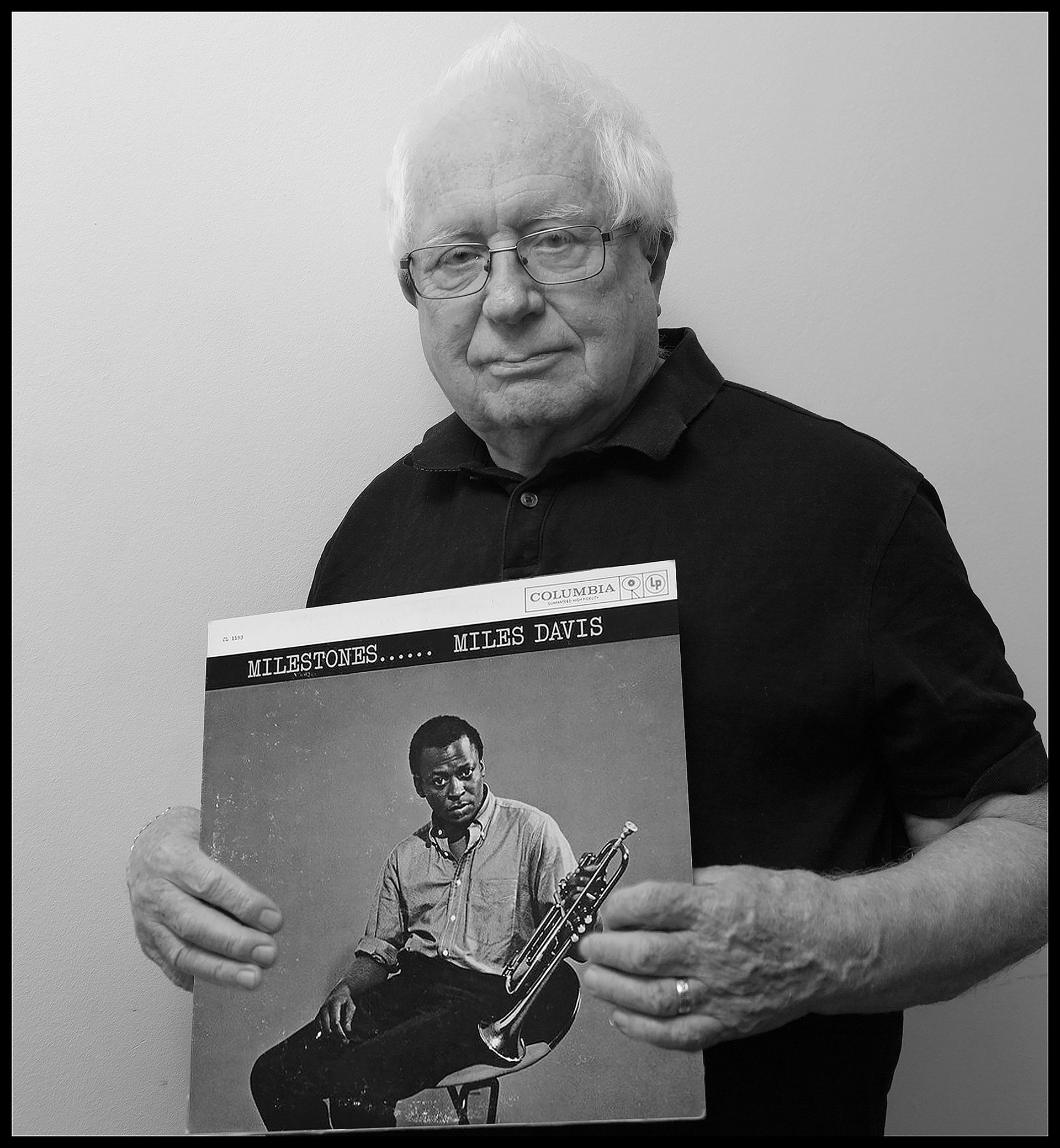
H E N R Y L O W T H E R
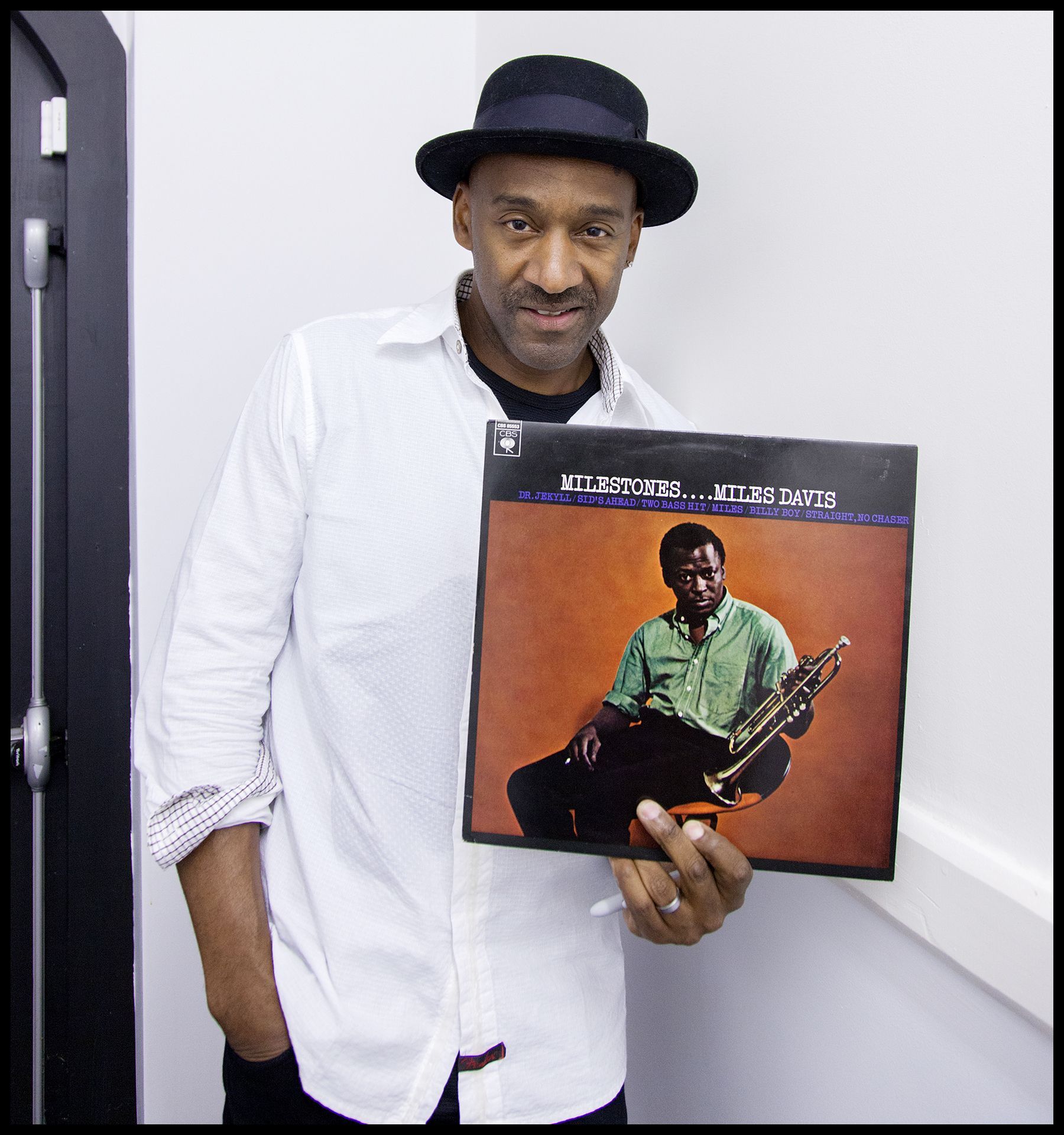
O n e L P - Milestones (1958)
“I think it's a classic album of all time for me; an astonishingly good album. Philly Joe Jones on drums, Miles plays fantastic. The contrast between him, Cannonball Adderley and John Coltrane. That's just wonderful. Red Garland who played on, you know, in the, like, ‘Straight No Chaser’, where he traditionally used to end his solo with a chorus of block chords. Well, the block chords on that are actually Miles’ solo on the recording he made with ‘Now's the Time’ with Charlie Parker and he played Miles' solo in block chords.
You know, people don't realise that, but that's what he's playing at the end. It's a wonderful record, swings… And then there's the trio, of course, ‘Billy Boy’, just Red Garland, with the wonderful Philly Joe playing a fantastic force. Red Garland, and sometimes with brushes. Amazing. Wonderful, amazing record. It definitely does an island disc for me, that one.”
Henry Lowther was born in Leicester, England in 1941, emerging in the 1960s as a quiet revolutionary of British jazz. He contributed to many European large ensembles exploring the musical trails opened up by Davis bands of the 1970s.
Portrait taken at Royal Northern College of Music, Manchester, 18th May 2024
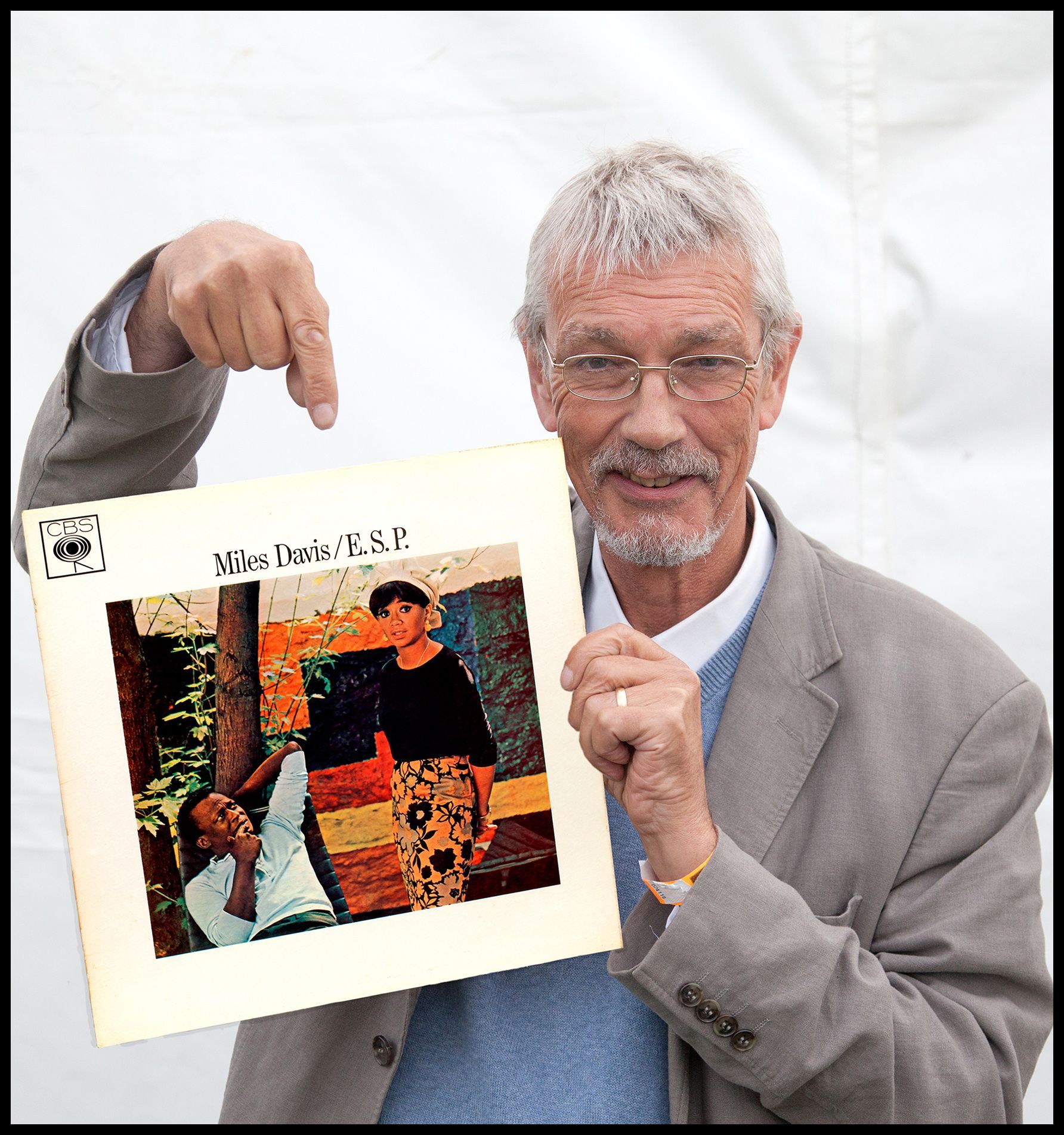
“Well the most important album that I’ve ever listened to is an album called ESP by Miles Davis – which was with Wayne Shorter, Herbie Hancock, Ron Carter and Tony Williams and the first time I heard this album I didn’t like it but I bought it anyway and I took it home and listened to it a few times.
And then one day – I still didn’t like it – and then one day I was working in a music shop, I had only just left school, and I had some music going around in my head all day and I couldn’t think what it was and it suddenly dawned on me on the way home .. on the bus.. it’s E.S.P. - . it’s that album and that’s been my favourite album of all time since. And that’s it really.”
Dick Pearce was born in London, England in 1951 and became an important trumpet and flugelhorn player in British jazz from the 1970s onwards.
Portrait taken in Llandudno, 25th July, 2015
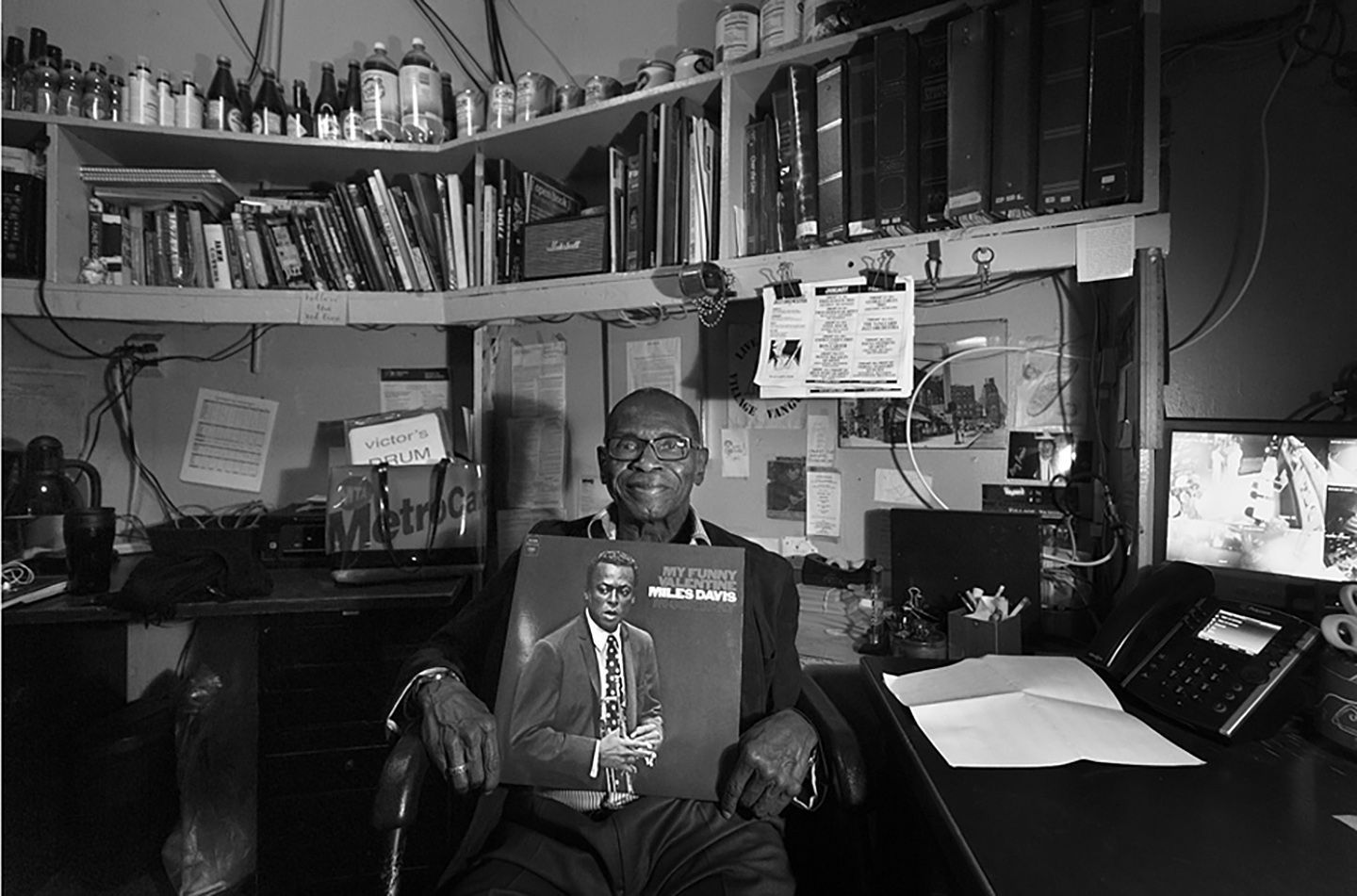
“Well, you know, I've got to tell you that when I started playing this music, when I (first) wanted to be involved with this music, the most important thing to me was just being in the music, being able to play in a band. Not necessarily being a band leader or anything like that but being able to be a part and have an influence on the direction of the music as a pianist as a rhythm section player. And this record is really indicative of that. The guys playing together - Miles Davis who's the captain of this ship - but everybody has a strong role and it's not like ... you don't get the feeling that Miles is there and the other guys are just kind of back up - backing musicians kind of doing their job period.
But everyone has an important role and a strong influence on the direction of the music. For me that's the big picture for this record and what happens in there is the way everybody uses colours, uses the harmonies. You know they're the same but they're different. A different way of approaching harmonies, a way approaching chords that kind of allow the chords to blossom and the music to really take another direction.
Portrait taken at Village Vanguard, New York City, 7th February 2019
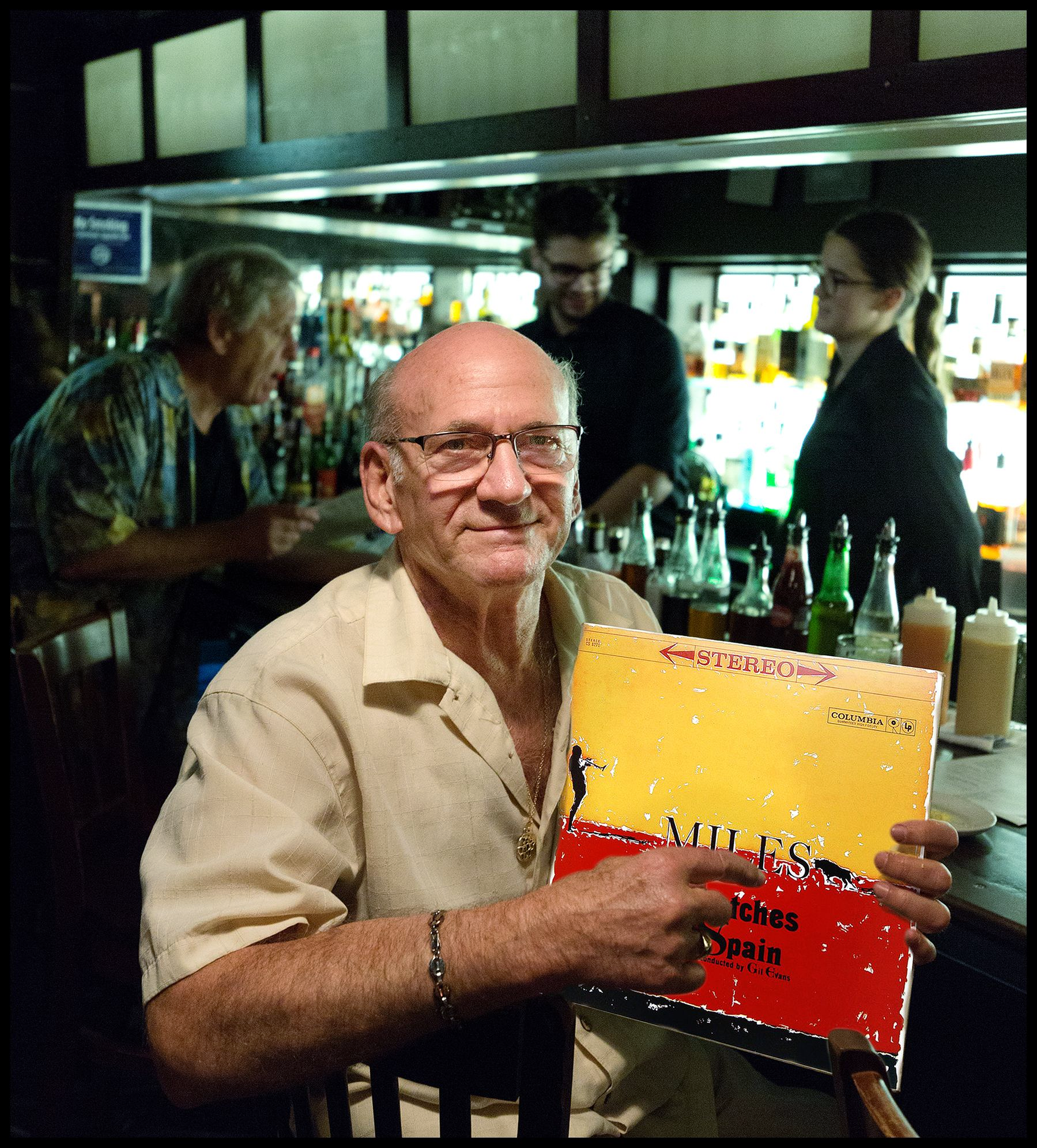
Portrait taken at Jazz Standard, New York City, USA, 5th October 2018.
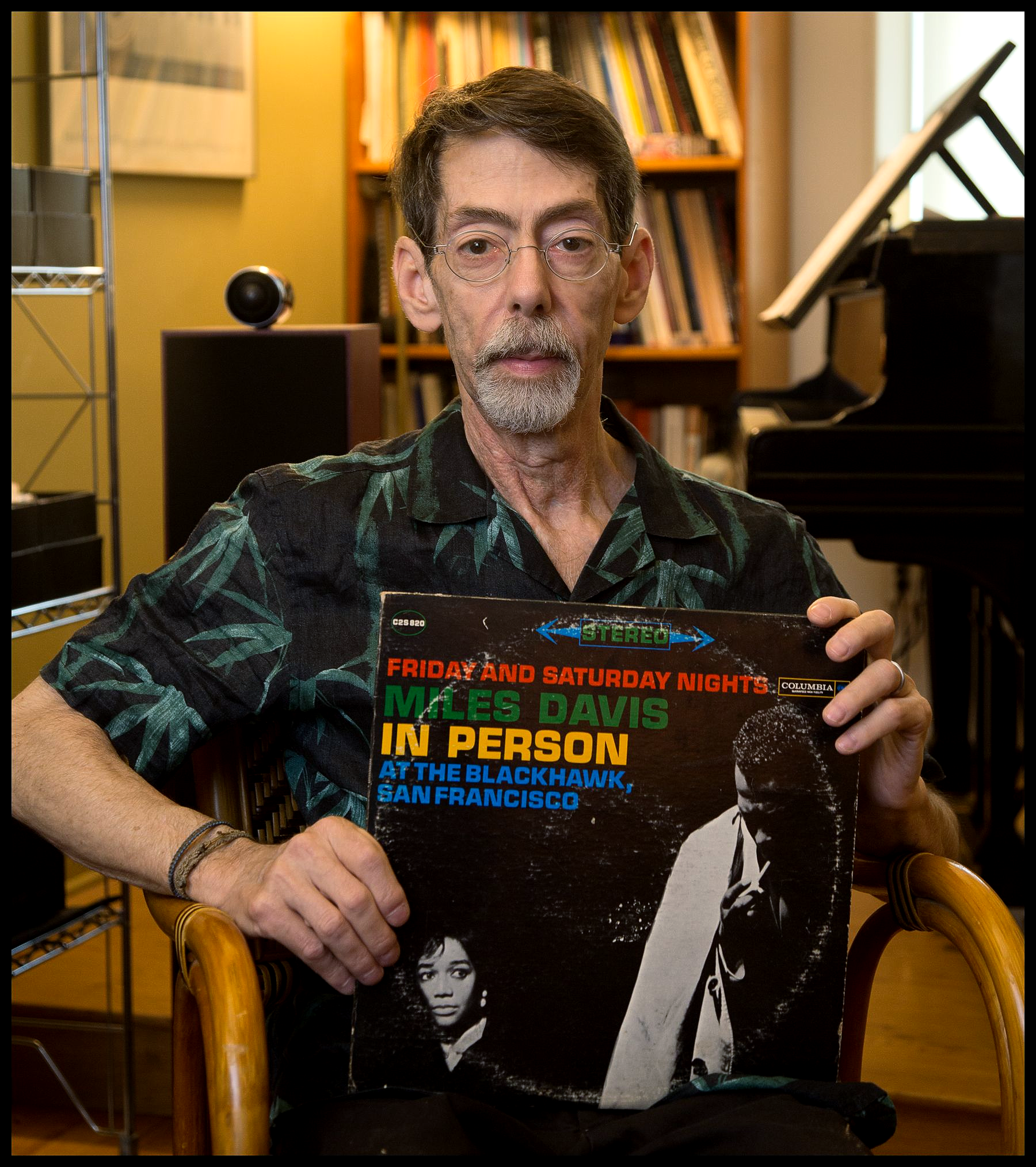
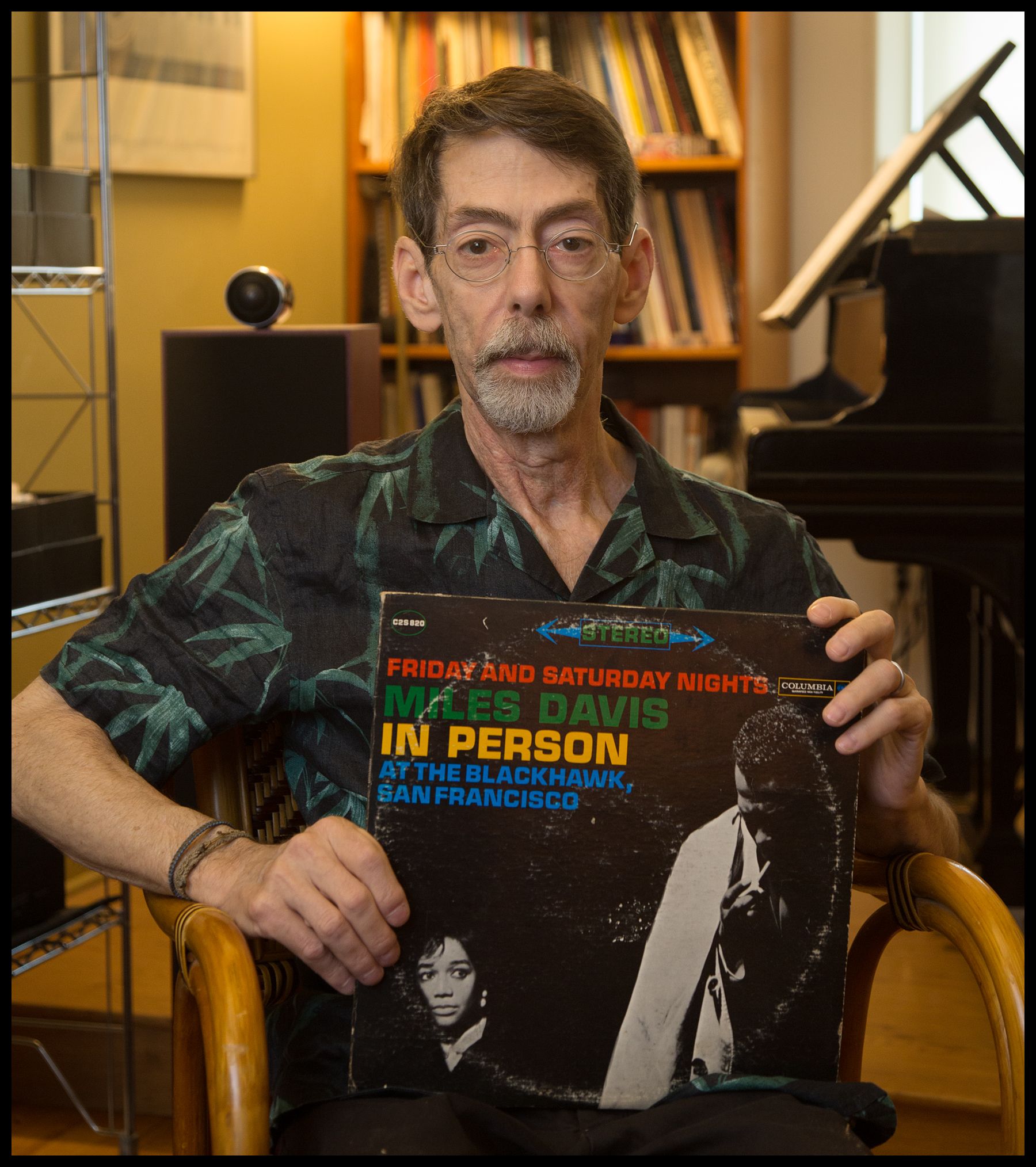
“Just as a preface the first Miles Davis album that I ever bought I was still in high school I bought it at a yard sale for 25 cents because I liked the cover and it was Miles Smiles this bright orange cover I bought that and Canonnball and Coltrane for 25 cents a piece cos I liked the covers and I kinda knew their names.
Miles Smiles is one of the more sophisticated, in some ways abstract records of that Columbia period.
You know, Herbie Hancock is not playing a lot of chords - it’s even still now - it's like hard to figure out some of it.
But the one that really got me that made me kind of think I could be a jazz musician was Friday and Saturday Night at the Black Hawk live album,
“Miles had so much confidence in who he was that this was the very first week that that band had played together, and they recorded. And I love live jazz albums. I like this feeling of being in the audience. I like the applause that happens sometimes for the solos after the track, feeling like, wow, there was no studio magic with this. This was real.
But what really got me was well the I mean superb swing and rhythmic feel. The way Winton Kelly accompanied Miles, the way that he was so responsive and perfect. But also the way that Wynton Kelly played, the way that he swung, it felt, I guess, the quality that I would put on it is, it was happy. It wasn't so complicated that I couldn't kind of figure out what he was doing, chronically it wasn't, but it just felt great and had this kind of positivity and pop on the rhythm.
I would love to be able to not just swing like that, but also to be a part of a rhythm section and to be able to go with other musicians; and I still feel that that many times in a duo, say, it's more satisfying for me to play behind somebody else than it is to play a solo; I still value the supportive partnership aspect of playing jazz music.
And so, it went to me, had it all, and it just felt wonderful, and Miles is playing just impeccably, and yeah, it was like just the window opened up to me like, wow! this could be possible.”
Let’s create together
“Well, you know, I've got to tell you that when I started playing this music, when I (first) wanted to be involved with this music, the most important thing to me was just being in the music, being able to play in a band. Not necessarily being a band leader or anything like that but being able to be a part and have an influence on the direction of the music as a pianist as a rhythm section player. And this record is really indicative of that. The guys playing together - Miles Davis who's the captain of this ship - but everybody has a strong role and it's not like ... you don't get the feeling that Miles is there and the other guys are just kind of back up - backing musicians kind of doing their job period.
But everyone has an important role and a strong influence on the direction of the music. For me that's the big picture for this record and what happens in there is the way everybody uses colours, uses the harmonies. You know they're the same but they're different. A different way of approaching harmonies, a way approaching chords that kind of allow the chords to blossom and the music to really take another direction.
When I listen to Miles’ band, especially that band, I just felt that Miles was - that it was like watching magic being made right in front of you. And this record gave me ideas about how to use chords, how to approach chords, how to try to create colours or discover colours in the music and try to make those things blossom.”
George Cables: Village Vanguard, New York City, 7th February 2019
By email
mymail@mailservice.com
In person
# Street name, city
Drop us a line
555-555-5555
Contact Us
"Elton John – for me – ran at his peak in the years I was at high school. 'Madman Across The Water' came out around ’71, and he was the first person that I became a fan of and I would spend nights getting tickets.
And everything about his craziness was sort of inside me cos I came from a very repressed background and there was just something I could experience. Busting loose, being crazy and creative... And Captain Fantastic was sort of my ‘American Graffiti’ summer.
This came out in ’75 and it was a song everybody played. I was the editor of the yearbook and everybody talked about me being the crazy Elton John fan for four years and he’s finally leaving! (laughs) - but it was.
I was so absorbed and the song ‘Someone Saved My Life Tonight’ always made me think, ‘You can get out.’ You can somehow be different from